The Influence of Yanis Varoufakis in Modern Economics
Introduction
Yanis Varoufakis, the former Greek Finance Minister, has emerged as a prominent figure in economic discussions, particularly surrounding the Eurozone crisis. His unique insights into economic policies and staunch advocacy for progressive reforms have made him a vital voice in contemporary debates concerning democracy, economics, and globalization. Understanding his contributions and the current political landscape is crucial for anyone interested in the future of economic policies in Europe.
Background and Rise to Prominence
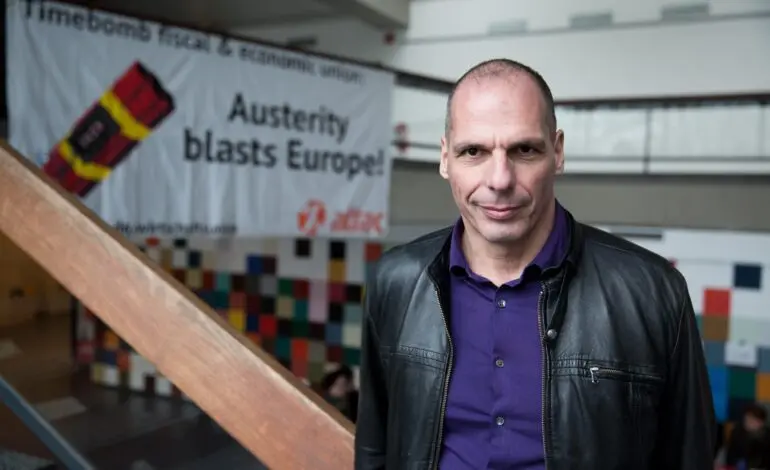
Yanis Varoufakis was born in Athens, Greece, in 1961 and gained prominence as a leading economist and a member of the left-wing Syriza party. He served as Greece’s Finance Minister from January to July 2015, where he gained international attention for his confrontational stance against the European Union’s austerity measures imposed on Greece amidst the country’s financial crisis. Varoufakis argued that these measures only exacerbated the nation’s economic recovery, sparking debates across the globe about economic governance and democratic accountability.
Key Contributions and Ideas
Since resigning from his ministerial role, Varoufakis has continued to advocate for a more egalitarian approach to economic policy. He has authored several books, including ‘Adults in the Room,’ which provide an inside look at negotiations between Greece and its creditors. Varoufakis emphasizes the importance of transparency and democratic dialogue in economic decision-making, challenging traditional notions of power dynamics in the EU. His proposals often revolve around financial reforms that prioritize economic justice over austerity and fiscal restraint.
Recent Developments
In recent months, Varoufakis has been vocal about the need for a new economic framework that addresses rising inequality exacerbated by the COVID-19 pandemic. He argues that the pandemic presents a unique opportunity to rethink economic systems that have long favored the wealthy. His advocacy for a Green New Deal resonates particularly during these discussions, as he calls for more sustainable economic practices that align with social justice.
Conclusion
Yanis Varoufakis remains a pivotal figure in the discussions of economic reform, advocating for a new era of economic thinking that prioritizes equity and sustainability. As Europe continues to navigate complex economic challenges, his insights and proposals may guide future policies and inspire a generation to rethink conventional economic paradigms. Understanding Varoufakis’ philosophy and contributions can provide valuable context for readers interested in the ongoing evolution of economic policies in Europe and their global implications.