Remembering The Day The Music Died: A Turning Point in Rock History
Introduction
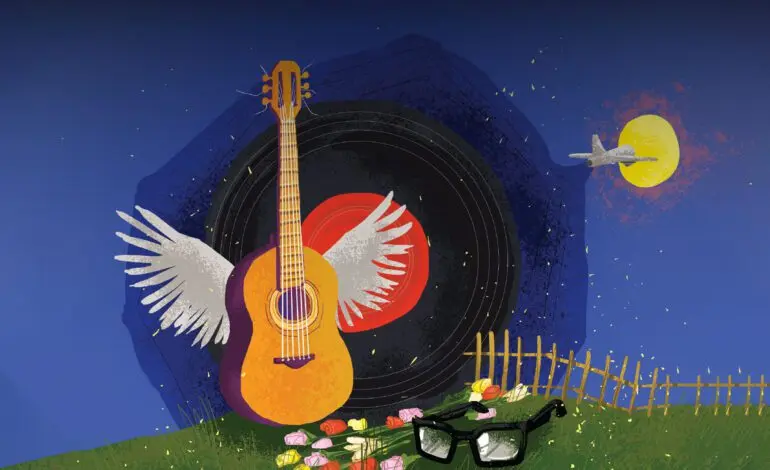
The phrase ‘The Day the Music Died’ refers to February 3, 1959, a date that marks a significant moment in music history. This somber day saw the untimely deaths of legendary rock and roll artists Buddy Holly, Ritchie Valens, and J.P. ‘The Big Bopper’ Richardson, in a tragic plane crash in Iowa. The impact of this loss resonated through the music industry and shaped the future of rock and roll, highlighting the fragility of life and artistic expression.
The Events of That Fateful Night
On the evening of February 2, 1959, Buddy Holly, Ritchie Valens, and J.P. Richardson performed in Clear Lake, Iowa, as part of the Winter Dance Party tour. After the concert, they chartered a small plane to reach their next destination in Moorhead, Minnesota, avoiding a grueling bus ride. Tragically, the plane, piloted by a young and inexperienced pilot, crashed shortly after takeoff due to poor weather conditions and pilot error.
The crash claimed the lives of all three musicians, leaving fans and the music world in shock. Buddy Holly had already made a significant mark on the rock and roll scene, and Ritchie Valens had gained popularity with hits like ‘La Bamba.’ The loss of these burgeoning stars left a void that prompted deep reflection within the community.
The Aftermath and Legacy
The aftermath of the tragedy not only devastated families and fans but also altered the trajectory of rock music. Music historians point to ‘The Day the Music Died’ as a moment that transformed the foundation of rock and roll, leading to a more mature and considerate approach to music promotion and artist management. After this event, the music industry began to prioritize artist safety, resulting in more stringent guidelines regarding travel and support for performers.
In the decades since, this event has remained a focal point for musicians and fans alike. The phrase itself has become synonymous with the loss of innocence in rock music, often referenced in popular culture. Don McLean immortalized the tragedy in his famous song ‘American Pie,’ which reflects on this pivotal moment and its broader implications for American music and culture.
Conclusion
The legacy of ‘The Day the Music Died’ continues to echo throughout music history, reminding listeners of the transient nature of fame and life itself. This tragedy not only shaped the landscape of rock and roll but also served as a catalyst for change within the music industry. As fans recall the lives and music of Buddy Holly, Ritchie Valens, and J.P. Richardson, the impact of their loss remains a poignant reminder of the fragility of artistic brilliance and the enduring power of music to connect and inspire.