What is a Data Breach? Understanding Its Impact and Prevention
Introduction
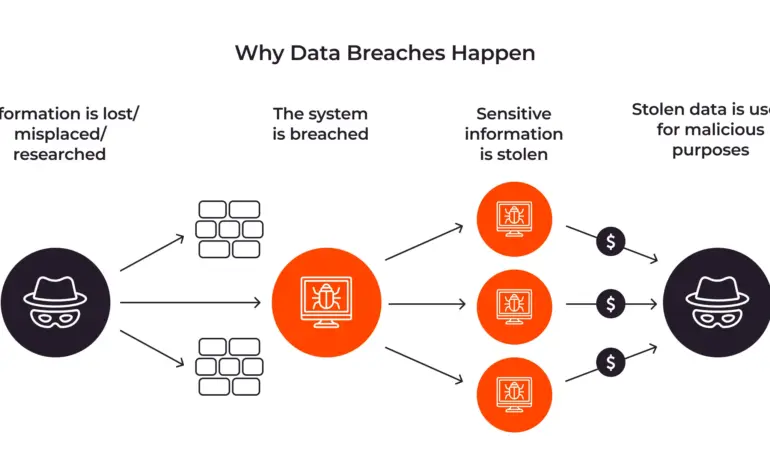
In today’s digital age, data breaches are becoming increasingly common, posing a significant threat to individuals and organizations alike. A data breach occurs when unauthorized access to sensitive information is gained, often leading to the disclosure of personal or corporate data. Understanding what a data breach is, its potential impacts, and how to prevent it is crucial for both consumers and businesses.
What Constitutes a Data Breach?
A data breach can involve various forms of sensitive information, including credit card numbers, Social Security numbers, online credentials, health records, and confidential corporate data. These breaches can occur through different methods such as hacking, malware attacks, insider threats, or accidental disclosures. According to the IBM X-Force Threat Intelligence Index, in 2022 alone, 84% of data breaches involved human error, emphasizing the need for heightened awareness around data security practices.
Recent Events Highlighting Data Breaches
In recent months, notable data breaches have made headlines, underlining the urgency of the issue. For instance, the March 2023 breach of a major healthcare provider exposed the personal health information of millions of patients after cybercriminals exploited weak security protocols. Additionally, several high-profile companies reported employee data leaks due to phishing attacks, reinforcing the threat posed by social engineering tactics.
The Consequences of a Data Breach
The ramifications of a data breach can be severe. For individuals, it can lead to identity theft, financial loss, and emotional distress. For businesses, the consequences may include loss of customer trust, regulatory fines, and costs related to recovery efforts. According to a report by the Ponemon Institute, the average cost of a data breach in 2023 was around $4.45 million, a figure that highlights the financial significance of data protection.
Preventing Data Breaches
To mitigate the risk of data breaches, both individuals and organizations should adopt best practices in cybersecurity. These include regularly updating software, using strong and unique passwords, enabling two-factor authentication, and conducting employee training on security awareness. Moreover, organizations should implement robust data encryption protocols and maintain an incident response plan to address potential breaches swiftly.
Conclusion
As cyber threats continue to evolve, the importance of understanding what a data breach is cannot be overstated. Both individuals and businesses need to prioritize cybersecurity measures to protect sensitive information and maintain trust in this digital era. With proactive steps, it is possible to reduce the risks associated with data breaches and safeguard personal and organizational data effectively.