Understanding the Importance of Weather Radar Maps
The Relevance of Weather Radar Maps
As climate patterns shift and severe weather events become increasingly common, understanding weather conditions is more crucial than ever. Weather radar maps play a vital role in tracking storms, precipitation, and other meteorological phenomena, providing essential information to both meteorologists and the general public.
How Weather Radar Maps Work
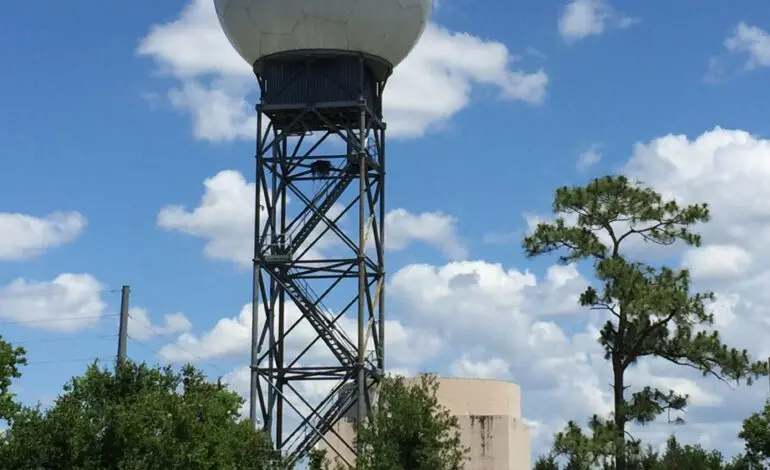
Weather radar maps utilize radio waves emitted from radar units to detect precipitation in the atmosphere. These systems send out pulses which bounce off precipitation particles, such as raindrops or snowflakes, and return to the radar station. By analyzing the time it takes for the radar pulses to return, meteorologists can determine the distance, intensity, and movement of the weather patterns.
Recent Developments in Weather Radar Technology
In recent years, advancements in radar technology have significantly improved data accuracy and resolution. The National Oceanic and Atmospheric Administration (NOAA) has been upgrading its radar systems to provide higher-definition images, allowing for better tracking of severe weather events like tornadoes and hurricanes. For instance, the new dual-polarization radar technology enhances our ability to differentiate between types of precipitation, facilitating more accurate forecasts.
The Role of Weather Radar Maps During Severe Weather Events
During severe weather events, weather radar maps are crucial tools for emergency management. They help officials make timely decisions about evacuations and issue warnings to the public. For example, during the recent hurricane season, radar maps assisted in tracking storm paths, leading to more precise predictions of landfall and intensity, allowing residents in the projected path to prepare accordingly.
Conclusion: The Future of Weather Radar Technology
As weather patterns continue to evolve, the importance of accurate, real-time weather radar maps cannot be overstated. Continuous advancements in technology promise even further enhancements in tracking capabilities, potentially saving lives and property by providing timely alerts. As these systems evolve, they will play a crucial role in our ability to respond to weather-related disasters more effectively.