Understanding Ali Khamenei and His Role in Iran
Introduction
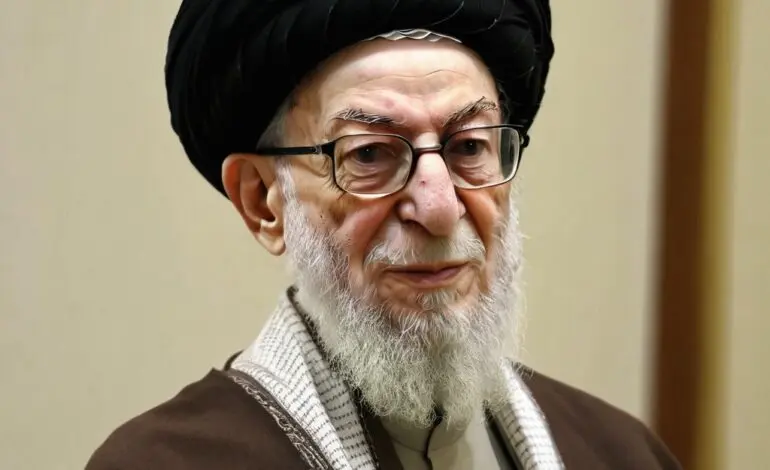
Ali Khamenei, the Supreme Leader of Iran, plays a crucial role in shaping not only Iranian politics but also influencing international relations in the Middle East. Since he assumed the office in 1989 following the death of Ayatollah Khomeini, Khamenei’s leadership has been characterized by a strong stance against Western influence and a focus on Islamic Revolutionary ideology. As he continues to lead a nation facing both internal challenges and external pressures, understanding his impact is essential for grasping the complexities of Iran’s current political landscape.
Leadership and Political Influence
Since becoming Supreme Leader, Khamenei has maintained significant control over Iran’s military, media, and judiciary. His ability to shape national policy has made him a central figure in both domestic and foreign affairs. Under his leadership, Iran has pursued a contentious nuclear program, often at odds with Western nations, leading to extensive sanctions and diplomatic isolation. Recent events, however, highlight the ongoing economic difficulties Iran faces, exacerbated by international sanctions and internal dissent.
Recent Developments
In June 2023, the Iranian government launched a new initiative to counteract the economic challenges, focused on attracting foreign investments and boosting local production. This move comes as domestic protests against the government continue, sparked by grievances over economic mismanagement and social freedoms. Khamenei’s response to these protests has been stern, doubling down on the regime’s commitment to maintaining order and promoting revolutionary values.
Regional and International Stance
Khamenei has emphasized Iran’s significant role in supporting allied groups throughout the region, particularly in countries like Syria and Lebanon, which has further entrenched Iran’s status as a key player in Middle Eastern geopolitics. His rhetoric often centers on the idea of resistance against the U.S. and allies, portraying external adversaries as obstacles to Iran’s sovereignty and security.
Conclusion
The outlook for Ali Khamenei’s leadership remains pivotal as Iran navigates a tumultuous political landscape marked by both internal dissatisfaction and external hostilities. As the nation grapples with its identity and direction, Khamenei’s vision for Iran will continue to influence its path forward. With the potential for escalated tensions in the region and continued economic hurdles, members of the international community will be watching closely for changes in Khamenei’s approach and policy decisions. Understanding Khamenei’s role is key to deciphering the future of Iran and its relationship with the world.