The Impact and Controversies Surrounding Marilyn Manson
Introduction
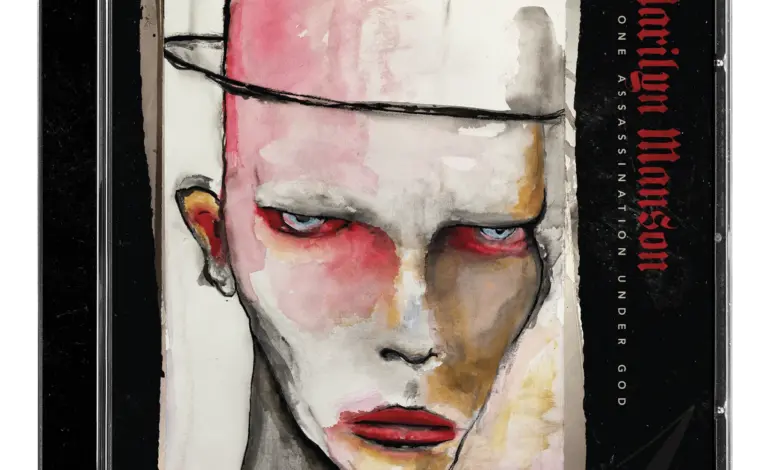
Marilyn Manson, an iconic figure in the world of heavy metal and alternative rock, has made headlines for decades not only for his music but also for his controversial persona. Born Brian Warner in 1969, he adopted the stage name Marilyn Manson by combining the names of actress Marilyn Monroe and serial killer Charles Manson. His dramatic visuals and thought-provoking lyrics have cemented his status as a significant player in the entertainment industry, while sparking debates over art, morality, and influence.
Music and Influence
Since the release of his debut album, Portrait of an American Family, in 1994, Manson has pushed the boundaries of musical expression. His distinct sound blends elements of industrial rock, glam, and metal, making songs like “The Beautiful People” and “Sweet Dreams (Are Made of This)” staples in the genre. His theatrical performances, characterized by elaborate costumes and provocative imagery, have contributed to his lasting impact on rock music and culture.
Controversies and Legal Issues
However, Manson’s career has not been without its controversies. Over the years, he has faced accusations of promoting violence and satanism, often drawing criticism from parents’ groups and conservative commentators. Most recently, he has been in the spotlight due to multiple allegations of sexual abuse and misconduct from several individuals, including former partners. In 2021, these allegations led to legal battles and a significant backlash, prompting further discussions on accountability in the entertainment industry.
The Fallout and Current Status
Following the allegations, Manson was dropped from his record label and several projects, leading many to question the future of his career. As of late 2023, he has not released new music, and his appearances have been significantly reduced. The sensitive nature of the allegations has sparked broader discussions about the impact of art versus the artist, compelling fans and critics alike to reevaluate their perceptions of his legacy.
Conclusion
Marilyn Manson remains a polarizing figure in popular culture. While his contributions to music and entertainment are undeniable, the recent allegations have shifted the narrative, forcing audiences to grapple with complex issues of consent and accountability. Moving forward, how Manson is remembered in the annals of music history will likely depend on ongoing discussions around his actions and their repercussions, highlighting the increasingly important dialogue surrounding power dynamics in the arts.