What You Need to Know About Nipah Virus
Introduction
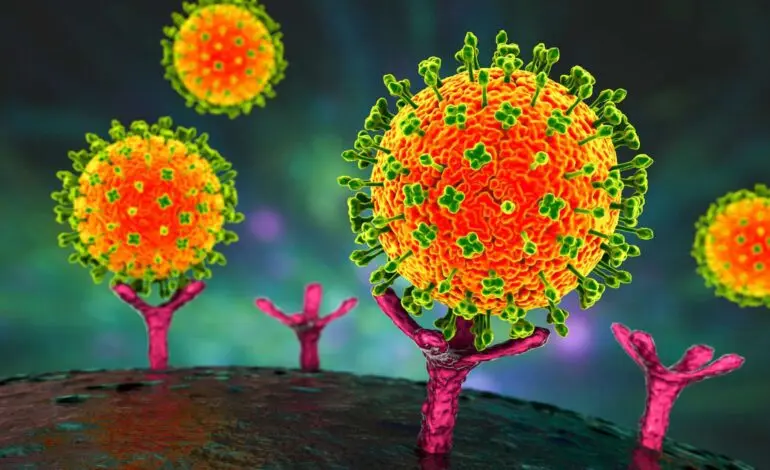
The Nipah virus is a zoonotic virus that poses significant public health concerns due to its severe symptoms and high mortality rates. First identified in 1998 during an outbreak in Malaysia, the virus has since resurfaced in different countries, emphasizing the need for vigilance and awareness. Understanding its transmission, symptoms, and treatment options is crucial as new cases have been reported in several regions, raising alarms among health authorities.
Main Body
Transmission and Symptoms
Nipah virus is primarily transmitted from animals to humans, with bats being the primary reservoir. In addition to direct contact with infected animals, transmission can occur through contaminated food, particularly palm sap. Human-to-human transmission is also possible, notably through close contact with infected individuals.
Symptoms of Nipah virus infection can range from mild to severe, typically beginning with fever, headache, and respiratory issues. In severe cases, it can lead to acute encephalitis, coma, and even death, with a reported mortality rate of 40% to 75% in previous outbreaks. Prompt medical attention is critical to managing the symptoms and improving survival chances.
Recent Outbreaks
Recently, cases of Nipah virus infection have been reported in India, particularly in the state of Kerala, sparking concerns about the potential for an outbreak. As of October 2023, the Indian government has been actively monitoring the situation, implementing contact tracing, and educating the public about preventive measures. The World Health Organization (WHO) has expressed concern over the re-emergence of the virus and is working with health authorities to contain any potential spread.
Preventive Measures
Preventive measures are critical in reducing the risk of infection. Avoiding close contact with infected individuals and animals, practicing good hygiene, and being cautious with food sources, especially unpasteurized products, can significantly reduce exposure. Public health campaigns aimed at educating communities about the risks and symptoms of the Nipah virus are essential to curtail outbreaks.
Conclusion
The Nipah virus remains a public health threat due to its ability to cause severe illness and potential fatalities. Continued vigilance is necessary as new cases emerge, particularly in regions where the virus has been present. Ongoing research is vital to better understand the virus, develop vaccines, and establish effective treatments. Awareness and education will be key components in controlling future outbreaks, protecting both individuals and communities from this deadly pathogen.