Waymo and the Future of Autonomous Driving
Introduction
Waymo, a subsidiary of Alphabet Inc., is pioneering the development of self-driving technology, making significant strides toward a future where autonomous vehicles become a common mode of transportation. As the automotive industry faces a rapid shift towards digitization and automation, Waymo’s contributions are increasingly relevant. With ongoing advancements and successful pilot programs, the company is set to redefine urban mobility.
Waymo’s Recent Developments
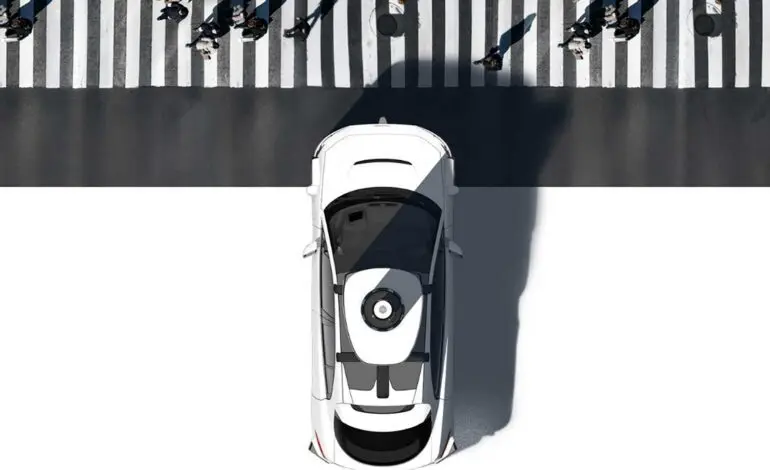
In recent months, Waymo has amplified its operations, expanding its ride-hailing services in Phoenix, Arizona, where its self-driving cars are already providing rides to the public. The company has also launched a fully driverless taxi service in select neighborhoods, a milestone that not only showcases the maturity of its technology but also highlights increasing public acceptance of autonomous vehicles. In September 2023, Waymo announced the commencement of a new testing program in San Francisco, further testing its autonomous capabilities in urban environments characterized by challenging traffic and pedestrian dynamics.
Moreover, in an effort to enhance safety and efficiency, Waymo has implemented advanced machine learning algorithms to process real-time data from the surrounding environment. This allows their vehicles to make rapid decisions, improving the overall driving experience. Waymo’s continuous investment in research and development emphasizes its commitment to ensuring safety and reliability as it navigates the complexities of autonomous driving.
Implications for the Future
The success of Waymo’s initiatives could have far-reaching implications. Analysts predict that widespread adoption of autonomous vehicles could reduce traffic fatalities, ease congestion, and lower transportation costs. Notably, as cities continue to expand, the demand for efficient transportation solutions becomes increasingly urgent. Waymo’s technology could help mitigate these urban challenges, leading to smarter and safer cities.
However, the journey toward fully autonomous driving is not without challenges, including regulatory hurdles and public skepticism. Despite these barriers, Waymo is strategically positioning itself to be a leader in the sector. As regulatory frameworks become clearer and technology matures, it is feasible to expect that other states will follow suit in allowing autonomous vehicle deployments.
Conclusion
In conclusion, Waymo represents a transformative force in the transportation industry, leveraging cutting-edge technology to pave the way for a new era of mobility. The company’s advancements in the autonomous driving arena not only highlight its commitment to safety and innovation but also signal a shift in how people will experience transportation in the future. As Waymo continues to expand its services and improve its technology, it may very well shape the future of urban transportation for generations to come.