The Legacy of Jackie Robinson: Breaking Barriers in Baseball
Introduction
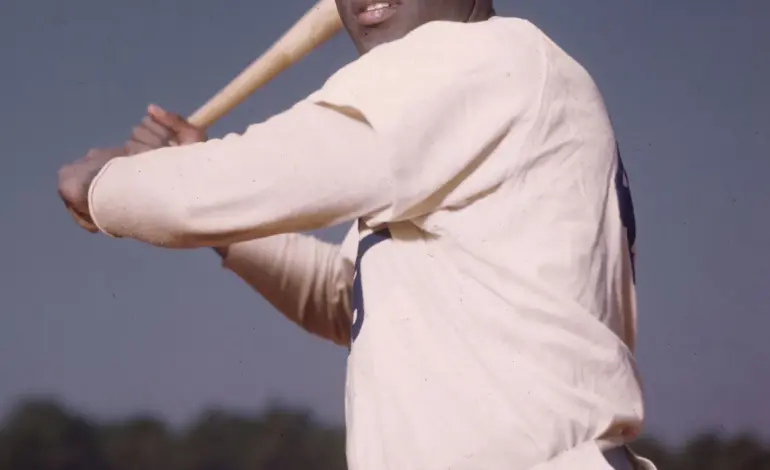
Jackie Robinson’s impact on baseball and American culture transcends the sport itself, marking a pivotal moment in history. As the first African American player in Major League Baseball (MLB), Robinson broke the color barrier in 1947, igniting discussions on race, equality, and justice. His story not only changed the face of baseball but also played a critical role in the broader civil rights movement.
Jackie Robinson’s Early Life
Born on January 31, 1919, in Cairo, Georgia, Jackie Robinson was raised in a family that instilled strong values of resilience and perseverance. He excelled in multiple sports during his time at UCLA, showcasing his athletic abilities. After serving in the U.S. Army during World War II, Robinson joined the Negro Leagues, where he honed his skills with the Kansas City Monarchs.
Breaking the Color Barrier
In 1947, Robinson signed with the Brooklyn Dodgers, becoming the first African American to play in the MLB in the modern era. His debut on April 15, 1947, against the Boston Braves was met with mixed reactions—while many fans and teammates supported him, others were hostile. Robinson’s remarkable talent and dignified demeanor in the face of adversity earned him respect and paved the way for other black athletes.
Robinson’s Impact on Baseball and Society
Throughout his 10-year career, which included six All-Star selections and the 1949 National League MVP award, Robinson challenged racial stereotypes and discrimination, not just in baseball but across the nation. His courage opened doors for future generations of players like Hank Aaron, Willie Mays, and Barry Bonds. Beyond the diamond, Robinson also used his platform to advocate for civil rights, supporting organizations such as the NAACP and participating in discussions on racial equality.
Legacy and Conclusion
Jackie Robinson’s legacy continues to inspire athletes and activists today. His story serves as a reminder of the importance of resilience in the face of adversity and the power of sports as a unifying force. As we reflect on his contributions, April 15 has become known as Jackie Robinson Day, when players across MLB wear his number 42, honoring his legacy and commitment to equality. The ongoing discussions about race and justice in America can trace many of their roots back to the courage of Jackie Robinson, making his life and career critically relevant in today’s society.