The Last of Us: Cultural Impact and Ongoing Relevance
Introduction
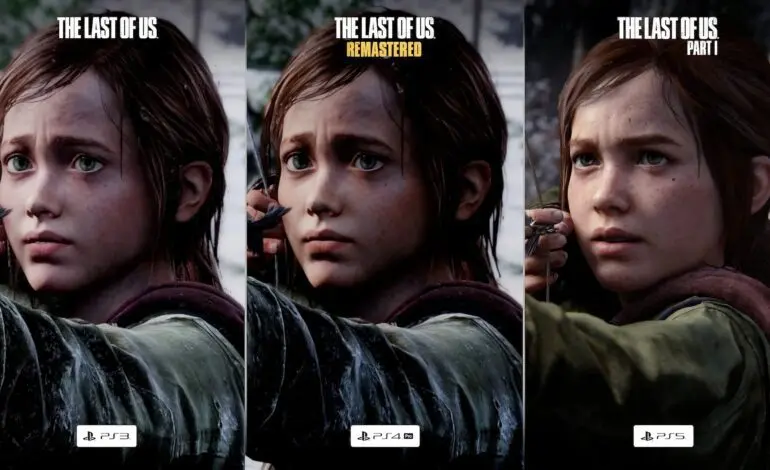
‘The Last of Us’ has emerged as a pivotal title in the gaming industry since its original release in 2013. Developed by Naughty Dog and published by Sony Computer Entertainment, the game not only redefined the survival horror genre but also pushed the boundaries of storytelling in video games. Its gripping narrative and complex characters have made it a significant cultural phenomenon, resonating with audiences well beyond the gaming community.
Recent Events
In early 2023, the HBO adaptation of ‘The Last of Us’ premiered, garnering critical acclaim and bringing the narrative to a broader audience. The series, developed by Craig Mazin and Neil Druckmann, received praise for its fidelity to the source material while expanding on character development and narrative depth. According to a report from Nielsen, the show’s debut was the highest-rated premiere for an HBO original since ‘House of the Dragon’, drawing in over 4.7 million viewers on its first night.
As the show progresses, it has sparked discussions around themes of love, loss, and the human condition, mirroring the emotional experiences of the game itself. The success of the series has not only revitalized interest in the game but also triggered discussions about the future of video game adaptations in Hollywood, setting a new benchmark for what players and audiences can expect.
The Games’ Legacy
The impact of ‘The Last of Us’ extends into its gameplay mechanics as well. The sequel, ‘The Last of Us Part II’, released in 2020, should be recognized for addressing difficult themes such as revenge, trauma, and morality. It challenges players to confront uncomfortable truths about the characters they empathize with. Both titles have earned numerous accolades, including several Game of the Year awards, and have been influential in shaping narrative-driven games that harness emotional storytelling.
Conclusion
The relevance of ‘The Last of Us’ is apparent as it continues to inspire new discussions about the role of storytelling in games. The HBO adaptation has broadened its audience, demonstrating that video game narratives can translate into compelling television. As the gaming landscape evolves, ‘The Last of Us’ remains a benchmark for the integration of deep narrative elements in interactive entertainment. Moving forward, both the series and the games will likely continue to influence and inspire new creators in the gaming and television industries.