Myanmar: An Overview of Current Events and Challenges
Introduction
Myanmar, also known as Burma, is currently at a critical juncture in its history. Since the military coup in February 2021, the country has faced widespread civil unrest, humanitarian crises, and deteriorating economic conditions. Understanding the situation in Myanmar is essential, as it not only impacts the lives of over 54 million citizens but also presents significant geopolitical implications for the Southeast Asian region and beyond.
Political Turmoil and Civil Unrest
The military coup ousted the democratically elected government, leading to mass protests and a violent crackdown by the military junta. According to the Assistance Association for Political Prisoners (AAPP), over 2,300 civilians have been killed, and thousands more have been imprisoned since the coup. The National Unity Government, formed by ousted lawmakers, has called for international support and recognition. As tensions escalate, armed resistance against the military has also intensified, resulting in ongoing clashes that further destabilize the country.
Humanitarian Crisis
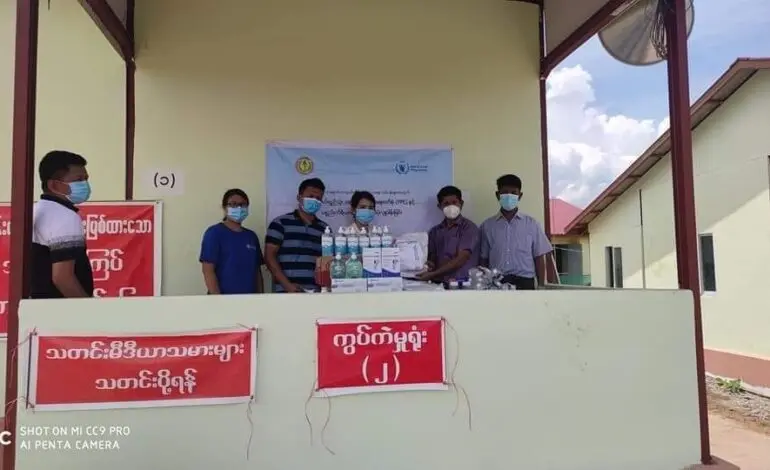
The political crisis has precipitated a humanitarian disaster, with millions displaced from their homes. According to the United Nations, more than 14 million people need humanitarian assistance, including food, healthcare, and shelter. The ongoing conflicts have forced people into remote areas, where access to basic services is severely limited. COVID-19 has compounded these challenges, with healthcare systems collapsing under the pressure.
International Response
The international community has reacted with a mix of sanctions and diplomatic efforts. Western countries, including the United States and the European Union, have imposed targeted sanctions against Myanmar’s military leaders and their businesses. However, these measures have struggled to effectuate change on the ground, leading some analysts to call for a more robust and cohesive international approach. Neighboring countries, particularly ASEAN members, have been urged to play a more active role in mitigating the crisis, but regional responses have thus far been minimal.
Economic Challenges
Economically, Myanmar is witnessing a sharp decline due to the ongoing political instability. The World Bank projects Myanmar’s economy shrank by 18% in 2021, with recovery efforts hampered by conflict and a lack of foreign investment. Many citizens have faced severe hardships, and poverty rates have surged as livelihoods are destroyed. Businesses struggle to operate amid uncertainties, while international aid remains critical for survival.
Conclusion
Myanmar stands at a precarious crossroads with its future hanging in the balance. The ongoing conflict, humanitarian crisis, and economic downturn present significant challenges that require immediate attention both domestically and internationally. As these events unfold, the global community’s response will play a crucial role in shaping the country’s path forward. For the people of Myanmar, achieving peace and democracy remains an urgent priority, underscoring the need for solidarity and sustained pressure on the military regime.