Exploring Benin: History, Culture, and Current Events
Introduction
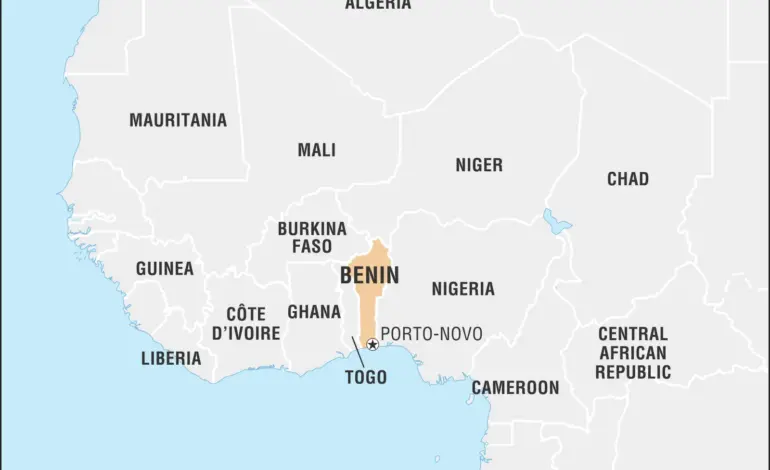
Benin, a small West African nation bordered by Nigeria to the east and Togo to the west, holds a pivotal role in the cultural and historical landscape of Africa. Known for its rich heritage, vibrant traditions, and significant historical sites, Benin is a country that is rapidly gaining attention on the global stage. With a population of over 12 million and the nation’s status as a former center of the African slave trade, the history and current developments in Benin resonate with a growing interest in cultural preservation and economic growth.
Historical Significance
The Kingdom of Dahomey, which ruled from the 17th to the 19th century, is perhaps the most notable period in Benin’s history. This powerful kingdom was known for its military prowess and the unique culture that produced impressive warriors, known as the ‘Dahomey Amazons.’ After becoming a French protectorate in the late 19th century, Benin, formerly known as Dahomey, gained independence in 1960. Understanding this historical context is crucial for comprehending the social and political dynamics of modern-day Benin.
Current Events and Economic Development
Recently, Benin has been focused on several developmental projects aimed at enhancing its economy and infrastructure. The government has initiated reforms in various sectors, including agriculture, energy, and tourism. In recent years, investments in renewable energy projects have increased, with the aim of improving access to electricity in rural areas. Furthermore, Benin earned attention with the completion of the Cotonou Port expansion, enhancing trade and commerce opportunities in the region.
Moreover, Benin’s participation in the African Continental Free Trade Area (AfCFTA) is poised to boost economic interactions with other nations, fostering a climate for trade growth and international partnerships.
Rich Cultural Heritage
Benin is also recognized for its cultural festivals and practices, most notably the Voodoo Festival, which celebrates the traditional religion and its roots in the African diaspora. Festivals, such as the Ouidah Voodoo Festival held annually, detail the cultural richness and spiritual depth of the nation, drawing visitors from around the world.
Conclusion
Benin, with its profound history and vibrant culture, is a significant player in the West African region. As the country advances toward greater economic development and international engagement, it is essential for the world to recognize its potential and the importance of preserving its rich traditions. The road ahead looks promising as Benin continues to carve out its identity in the global landscape, making it an important nation to watch in the coming years.