What’s a Snow Squall? Understanding This Winter Weather Phenomenon
Introduction
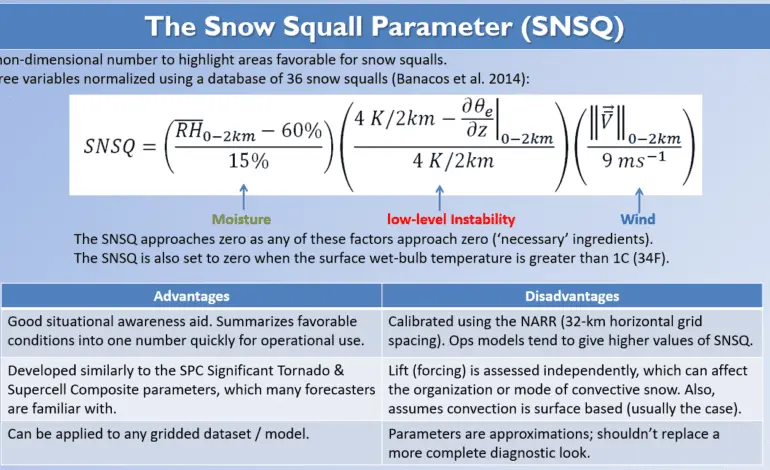
As winter weather continues to affect various regions of the United States, it is crucial for citizens to understand different weather phenomena, including snow squalls. A snow squall is defined as a brief but intense period of heavy snowfall accompanied by strong winds, which can lead to hazardous conditions and significantly reduced visibility. With winter storms becoming increasingly unpredictable, awareness of snow squalls is imperative for safety and preparedness.
What is a Snow Squall?
A snow squall typically develops rapidly, often lasting less than an hour but delivering heavy snowfall within a short time frame. The National Weather Service (NWS) describes snow squalls as localized snow events that can create dangerous driving conditions, leading to accidents and road closures. Wind gusts accompanying these snowfalls can be strong enough to create whiteout conditions, making it challenging to see and navigate.
Recent Snow Squalls in the U.S.
In early January 2023, parts of the Midwest and Northeast experienced significant snow squalls that caught many residents off guard. The squalls were characterized by winds gusting up to 40 mph, leading to near-zero visibility and treacherous roads. Transportation agencies reported accidents and delays due to the rapid onset of these storms, underscoring the importance of timely weather warnings.
In addition to hazardous road conditions, snow squalls can also lead to power outages if heavy snow accumulates on trees and power lines. Monitoring weather forecasts and heeding warnings from local authorities can help mitigate these risks.
Preparing for Snow Squalls
To stay safe during snow squall events, it is essential for individuals to remain informed. Here are some recommendations:
- Monitor weather updates and forecasts regularly, especially during winter months.
- Have an emergency kit in your vehicle, including warm clothing, food, water, and a flashlight.
- Allow extra travel time and drive cautiously, avoiding sudden movements or high speeds.
- In case of a snow squall while driving, seek shelter if possible and pull over to a safe location until conditions improve.
Conclusion
Understanding what a snow squall is and how to prepare for it can significantly enhance safety during winter storms. As climate patterns shift and winter weather becomes more volatile, being informed about extreme weather events will allow residents to take proactive measures in safeguarding their lives and property. Awareness, proper preparation, and adherence to weather advisories are key to handling snow squall conditions effectively.