Understanding the Recent Fed Meeting and Its Implications
The Importance of the Federal Reserve Meetings
The Federal Reserve holds crucial meetings throughout the year, impacting monetary policy, inflation, employment rates, and the overall economy. Recent decisions made during these meetings are especially significant as the country navigates post-pandemic recovery and ongoing economic challenges.
Details from the Latest Fed Meeting
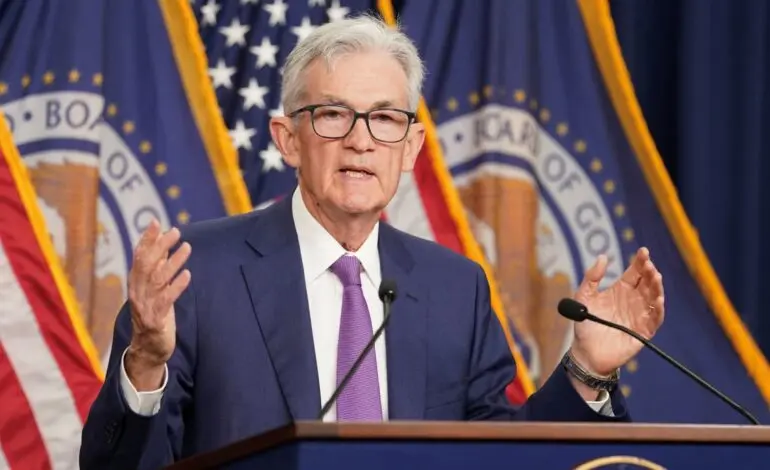
In the latest meeting held on October 31, 2023, the Federal Open Market Committee (FOMC) decided to maintain the federal funds rate at its current level of 5.25% to 5.50%. This decision comes after a series of interest rate hikes intended to combat rising inflation, which has clipped down but remains higher than desired. The Fed Chair Jerome Powell emphasized the need for patience, stating that while inflation is trending downward, it is not yet in the target range of 2%.
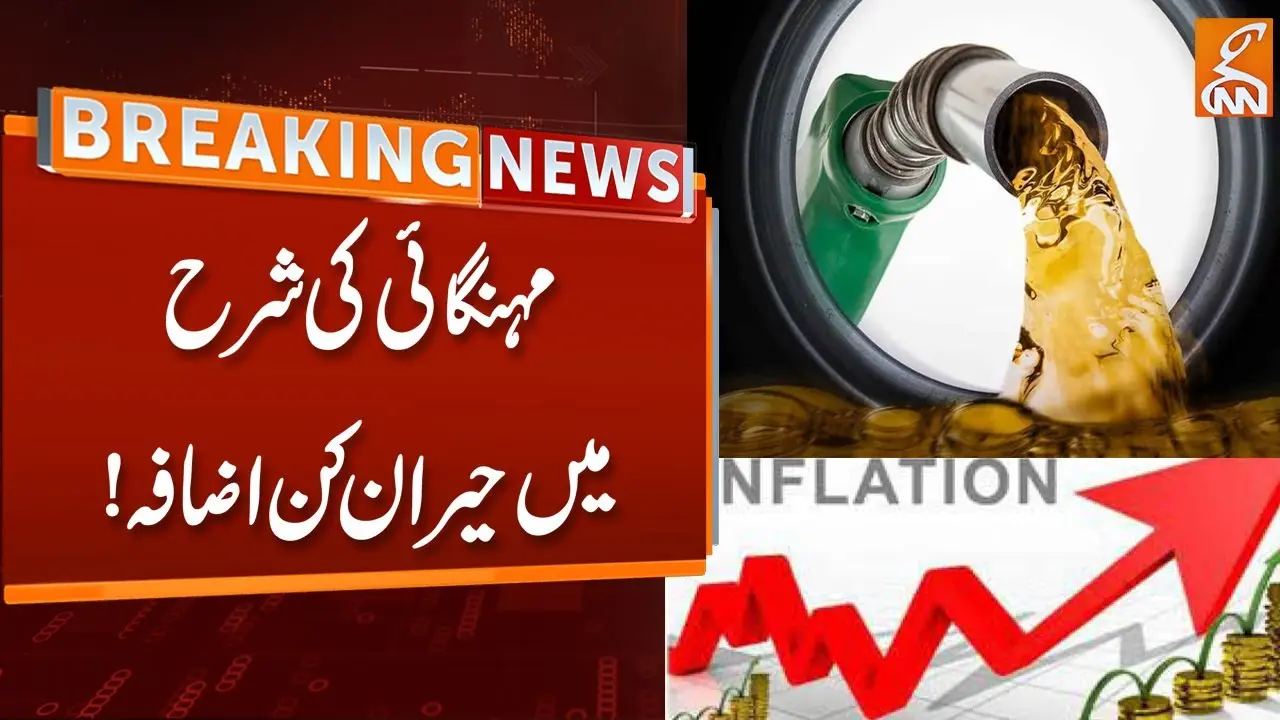
The economic data presented at the meeting highlighted a mixed outlook. Economic growth remains solid, with GDP growth rates around 2.4%, while unemployment rates are holding steady at 4%. However, inflation, despite showing signs of easing, is currently at 3.7%, necessitating a careful approach by the Fed to balance growth with price stability.
Market Reactions and Future Outlook
The markets reacted cautiously to the news, with the Dow Jones Industrial Average closing slightly higher post-announcement. Analysts noted that the Fed’s commitment to a data-driven approach in future meetings reflects a need for adaptability during unprecedented times. Interest rate futures shifted slightly, indicating a more prolonged period before any potential rate cuts could be expected.
Conclusion: What This Means for Consumers and Investors
The outcomes of the Fed meeting underscore the ongoing complexities of the economic landscape. For consumers, maintaining the current interest rates means mortgage rates and borrowing costs are unlikely to decrease in the immediate future. For investors, the Fed’s steady stance might signal continued volatility in the stock and bond markets as they adjust to economic indicators. Overall, the Fed remains vigilant about inflation and growth, aiming for a trajectory that supports economic expansion without igniting inflationary pressures.