Understanding the National Shutdown in the U.S.
Introduction
The potential for a national shutdown has become a pressing issue in the United States, raising concerns among citizens, businesses, and government officials alike. This topic holds significant importance as it impacts federal operations, economic stability, and the lives of everyday Americans. With discussions intensifying regarding budget negotiations and government funding, the ramifications of a national shutdown have widespread consequences that merit close examination.
Current Events and Context
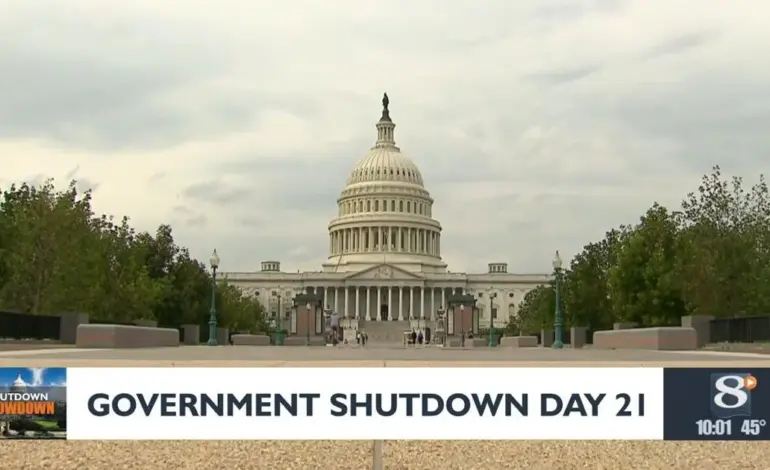
As of October 2023, negotiations in Congress regarding federal budget appropriations are at a standstill, primarily due to disagreements on fiscal policies. If these disagreements are not resolved, the government may be forced to cut non-essential services, leading to a national shutdown. Such an event would result in the furlough of federal employees, the suspension of key government services, and disruption of support for numerous programs relied upon by millions.
Recent polls indicate that a majority of Americans are concerned about the effects of a potential shutdown. Many federal employees express anxiety about job security, while businesses that depend heavily on government contracts face an uncertain future. Furthermore, essential services such as national parks, museums, and various public facing services are likely to experience closures or reductions.
Historical Perspective
Historically, the U.S. has experienced several government shutdowns, with notable instances occurring in 1995-1996 and 2018-2019. These events resulted in significant economic loss, amounting to billions of dollars, as well as a major downturn in public trust regarding the political process. Each previous shutdown was resolved only after substantial negotiation, highlighting the unpredictable nature of political agreements in Washington. The current political landscape suggests that without a compromise, similar outcomes may continue to recur.
Conclusion and Future Outlook
The implications of a national shutdown are profound, extending far beyond government offices. Economically, it can impede growth, and socially it can underpin a growing sense of instability. Experts suggest that immediate and effective negotiation strategies must be implemented to avert this crisis. As discussions continue, citizens are urged to stay informed and advocate for solutions that promote fiscal responsibility without sacrificing essential services.
In conclusion, while it remains to be seen whether a national shutdown will occur, its potential impact on various facets of American life cannot be understated. Stakeholders across the board – from policymakers to everyday Americans – must remain engaged in discussions that can lead to a resolution and a stable economic future.