Understanding Snow Squalls and Their Impact on Travel
Introduction
Snow squalls are sudden, intense bursts of snowfall often accompanied by strong winds, leading to hazardous travel conditions. As winter progresses, understanding these unpredictable weather phenomena is crucial for safety. With recent snow squall alerts issued across parts of the United States, it’s vital for residents and travelers to be aware of the potential dangers associated with these storms.
The Nature of Snow Squalls
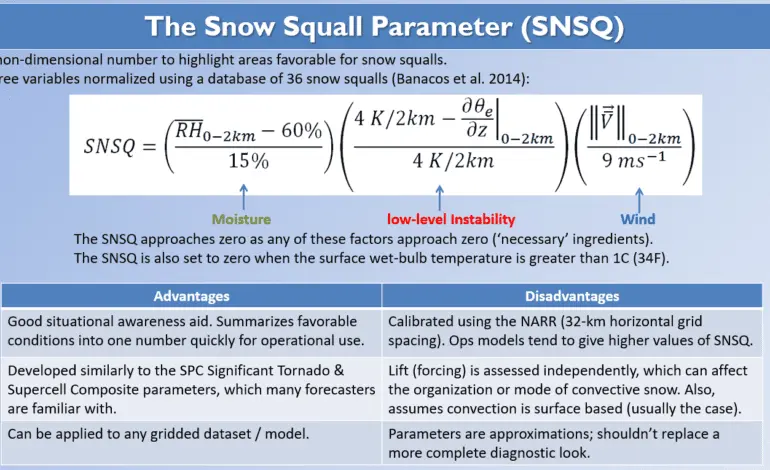
Snow squalls are characterized by very brief but heavy snowfall and can reduce visibility to near-zero in a matter of minutes. This phenomenon typically occurs when a cold front passes through an area, causing unstable air to lift and cool rapidly, resulting in intense snow showers. The National Weather Service (NWS) has reported increased frequency and severity of snow squalls in recent years, prompting heightened alerts and warnings.
Recent Events
On January 5, 2023, the NWS issued snow squall warnings for regions in the Midwest and Northeastern United States. Reports indicated that several states, including Wisconsin, Michigan, and Pennsylvania, experienced conditions where visibility dropped dramatically due to heavy snowfall. Accidents were reported on major highways, and transportation officials advised drivers to stay off the roads during peak squall conditions. In some areas, up to six inches of snow fell within a short period, leading to significant delays and safety concerns for motorists.
The Dangers of Snow Squalls
The unpredictable nature of snow squalls makes them particularly dangerous. Unlike a winter storm warning, which indicates prolonged snowfall, a snow squall warning alerts the public to imminent hazardous conditions. Motorists may find themselves caught off guard, resulting in accidents and injuries. The NWS stresses that even short-lived squalls can be treacherous.
Preparing for Snow Squalls
Awareness and preparation are key to handling snow squalls safely. Travelers should monitor local weather forecasts and heed warnings issued by the NWS. It’s advisable to carry emergency supplies in vehicles, including blankets, food, and a flashlight. Staying indoors during heavy snowfall and waiting for conditions to improve can prevent unwanted incidents.
Conclusion
As snow squalls remain a significant winter hazard, public awareness and preparedness play vital roles in ensuring safety during these weather events. With climate change potentially influencing weather patterns, the occurrence of extreme weather events may rise, making it essential for individuals to stay informed and prepared. As we move through the winter months, keeping abreast of weather developments and understanding snow squalls can make a difference in ensuring safe travel.