Understanding Sleet vs Freezing Rain: What You Need to Know
Introduction
As winter approaches, understanding weather phenomena such as sleet and freezing rain becomes vital for safety and preparedness. Both these forms of winter precipitation can lead to hazardous conditions, but they have distinct properties and effects. Recognizing the differences can help individuals prepare appropriately for winter storms and mitigate risks associated with icy conditions.
What is Sleet?
Sleet, also known as ice pellets, occurs when raindrops freeze into small balls of ice before reaching the ground. This process typically happens when warm air lies over a layer of cold air near the surface. Sleet tends to bounce when it hits the ground and can accumulate, creating slippery roads and pathways. Sleet often occurs during transitional weather systems, where temperatures fluctuate around freezing point.
What is Freezing Rain?
Freezing rain, on the other hand, forms when rain falls through a layer of cold air and freezes upon contact with cold surfaces, typically creating a glaze of ice. This phenomenon can result in severely icy conditions, as the ice creates a smooth, slick surface on roads, trees, and power lines. Freezing rain tends to cause more significant disruptions compared to sleet, as it can lead to power outages and hazardous driving conditions due to the weight of the accumulated ice.
Current Weather Trends
Recent weather reports have indicated a rise in incidents of both sleet and freezing rain across various regions in the U.S. This winter, meteorologists predict increasingly unpredictable weather patterns, leading to a higher likelihood of mixed precipitation events. The National Weather Service cautions residents in affected areas to remain vigilant, as both sleet and freezing rain can impact road safety and lead to significant travel disruptions.
Safety Measures
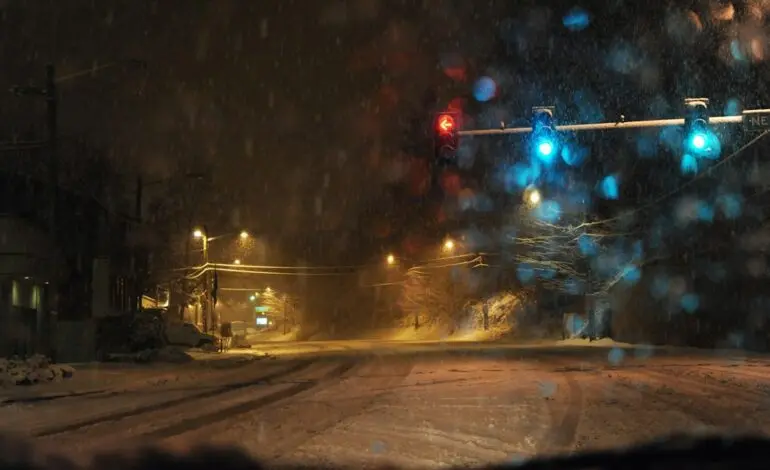
To stay safe during sleet or freezing rain, it’s essential to monitor local weather forecasts and heed any warnings issued by authorities. When traveling, reduce speed, maintain a greater following distance, and avoid sudden movements that could lead to skidding. Additionally, residents are encouraged to prepare their homes for potential power outages caused by ice accumulation on power lines and tree branches.
Conclusion
Understanding the distinctions between sleet and freezing rain is crucial for any winter-weather preparation. As the frequency of extreme winter weather events increases, being informed can help individuals take necessary precautions against the dangers of icy conditions. Stay updated on weather alerts, and ensure you have a reliable emergency plan in place this winter season.