Understanding Alternate Side Parking in NYC
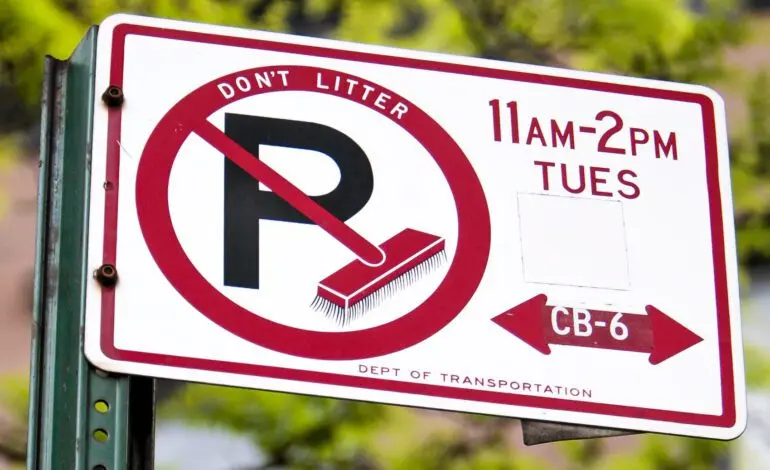
Importance of Alternate Side Parking
Alternate side parking (ASP) in New York City is a crucial element in the city’s effort to maintain clean streets and manage limited parking spaces. This system requires drivers to move their vehicles to allow street cleaning, helping to ensure the city’s roads are not only well-kept but also safe for all users. With the increased density and traffic in New York, understanding ASP regulations is vital for residents, visitors, and commuters alike.
Current Regulations and Updates
As of 2023, New York City’s Department of Transportation (DOT) continues to enforce ASP regulations, which dictate that vehicles must be moved on specific days and times to accommodate street cleaning. Typically, ASP is in effect from 8 AM to 11 AM and varies by neighborhood. Furthermore, the city periodically updates its ASP rules, notably due to seasonal changes or public health considerations, such as those seen during the COVID-19 pandemic.
Notably, in response to public feedback and the impact of the pandemic, the city has made adjustments to the ASP schedule to allow for more flexibility. Some areas of Brooklyn and Queens have seen pilot programs that aim to reduce the frequency of street cleaning, allowing residents to park with less hassle.
Enforcement and Penalties
Failure to adhere to ASP rules can result in fines, typically ranging from $45 to $75, depending on the violation. Enforcement is actively carried out by the NYC Department of Finance, and residents are encouraged to remain vigilant regarding street cleaning notices. To assist drivers, the city has implemented various resources, such as the NYC 311 app, which provides real-time information on ASP regulations and alerts.
Conclusion: Looking Ahead
As New Yorkers continue to adapt to the challenges of urban living, alternate side parking remains a significant topic. The city is evaluating its parking policies to better serve its residents while maintaining street cleanliness. Future adjustments may include a more streamlined approach to ASP, considering the growing emphasis on environmental issues and public health.
Residents are advised to stay informed about these regulations and their implications for parking availability. By understanding and respecting ASP rules, New Yorkers can contribute to a cleaner, more organized urban environment.