The Smashing Machine: Impact and Legacy in Combat Sports
Introduction
The Smashing Machine is a term closely associated with Mark Kerr, a former mixed martial artist and professional wrestler known for his formidable strength and vulnerability outside the ring. His journey through the world of combat sports and personal struggles has made him an influential figure, highlighting the duality of athletic achievement and personal challenges.
Mark Kerr: The Smashing Machine
Mark Kerr rose to prominence in the late 1990s, earning the nickname ‘The Smashing Machine’ for his explosive fighting style and athletic prowess. Competing in the Ultimate Fighting Championship (UFC) and Pride Fighting Championships (Pride FC), Kerr was one of the first fighters who showcased a mix of wrestling, Brazilian Jiu-Jitsu, and striking capabilities. His impressive victories and groundbreaking performances helped legitimize the sport during its formative years.
The Career Highlights
Kerr’s wrestling background significantly contributed to his fighting success. He was a two-time NCAA wrestling champion and earned a spot on the United States Olympic wrestling team. His transition to MMA became a game-changer, as he introduced strategic grappling techniques rarely seen at the time. Notable wins against fighters like Igor Vovchanchyn and Dan Henderson showcased his dominance in the ring.
Documentary Impact
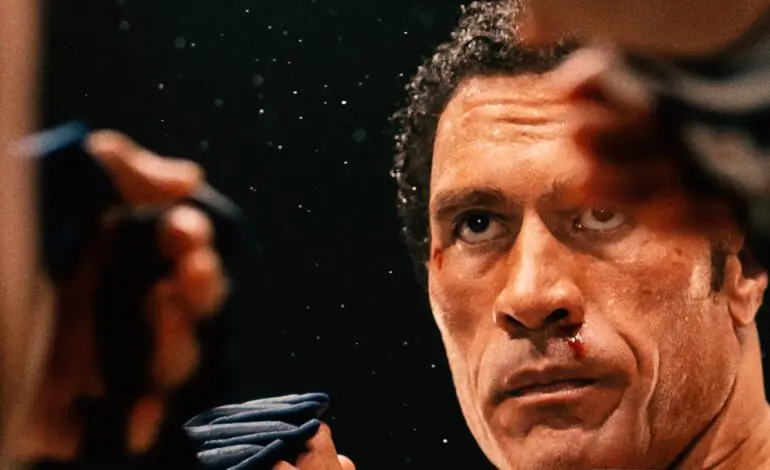
In 2002, Kerr’s personal struggles came to light in the critically acclaimed documentary “The Smashing Machine.” The film provided an unfiltered view of the physical and emotional toll that combat sports took on him, including his battles with addiction and mental health issues. The documentary resonated with fans, sparking conversations about athlete well-being and the darker sides of competitive sports.
Conclusion
The legacy of The Smashing Machine extends beyond his accomplishments in the ring. Mark Kerr’s story serves as a reminder of the challenges many athletes face, underscoring the importance of mental health awareness in sports. As MMA and wrestling continue to grow globally, the impact of figures like Kerr emphasizes the need for support systems for athletes navigating their way through competition and personal adversities. This dual narrative of triumph and struggle will likely shape how future generations of combat sport athletes approach their careers, highlighting the need for a more holistic approach to athlete wellbeing.