The Role of ERCOT in Texas’ Energy Landscape
Introduction
The Electric Reliability Council of Texas (ERCOT) plays a pivotal role in the state’s electricity market, managing the flow of electric power across approximately 90% of Texas. Its importance has grown substantially in recent years due to unpredictable weather patterns, increasing energy demand, and the transition toward renewable energy sources. Understanding ERCOT’s operations is essential for Texas residents and policymakers as they navigate challenges related to energy reliability and sustainability.
Current Challenges and Developments
In August 2023, ERCOT faced significant challenges as extreme heat waves surged across Texas, pushing electricity demand to record levels. The grid operator reported peak demand reached over 80,000 megawatts, leading to slight concerns about system reliability. ERCOT issued several energy alerts urging residents to conserve energy during peak hours to maintain grid stability. In response, the Texas state government implemented energy-saving measures to ensure adequate supply during these critical periods.
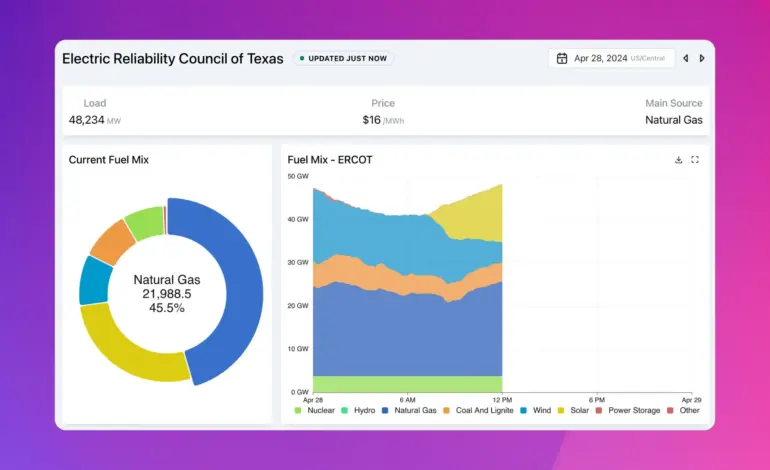
Furthermore, ERCOT is at a crossroads as it transitions to a greener energy future. Approximately 30% of Texas’ electricity is generated from renewable sources like wind and solar. However, the intermittent nature of these energy sources poses reliability challenges. The council is working on introducing diversified energy solutions, including battery storage technologies, to enhance grid reliability and meet future energy demands.
The Future of ERCOT
Looking ahead, the future of ERCOT will hinge on its ability to adapt to changing energy landscapes. State officials and energy experts advocate for greater investments in grid resilience, interconnections with neighboring states, and advancements in energy management technologies. These measures aim to bolster ERCOT’s capacity to handle extreme conditions and cater to a growing population with increasing energy needs.
Moreover, with Texas’ burgeoning electric vehicle market expected to expand, ERCOT will need to ensure that the grid can support increased electricity demand from transportation electrification initiatives, aligning with state goals for reduced emissions.
Conclusion
ERCOT’s role in managing Texas’ electricity grid is more crucial than ever as the state faces escalating energy demands and disruptive weather events. By prioritizing grid resilience, embracing renewable energy innovations, and encouraging energy conservation, ERCOT will be positioned to provide reliable electricity to millions of Texans while contributing to a sustainable energy future. Residents must stay informed about ERCOT’s strategies and challenges as they directly affect energy costs and grid reliability in their daily lives.