The Life and Legacy of Dennis Rodman
Introduction
Dennis Rodman, a name synonymous with basketball and eccentricity, has made a remarkable impact on the NBA and popular culture. Known for his flamboyant personality, unorthodox playing style, and dynamic rebounding skills, Rodman’s life reflects the intersection of sports, celebrity, and social issues, making him a relevant figure in discussions about athlete activism and cultural influence.
Rodman’s Athletic Career
Born on May 13, 1961, in trenton, New Jersey, Dennis Rodman struggled during his early years before finding his place in basketball. After a college career at Southeastern Oklahoma State University, he was drafted by the Detroit Pistons in 1986. Rodman quickly earned a reputation as a tenacious defender and an exceptional rebounder, contributing significantly to the Pistons’ success and their two consecutive NBA Championships in 1989 and 1990.
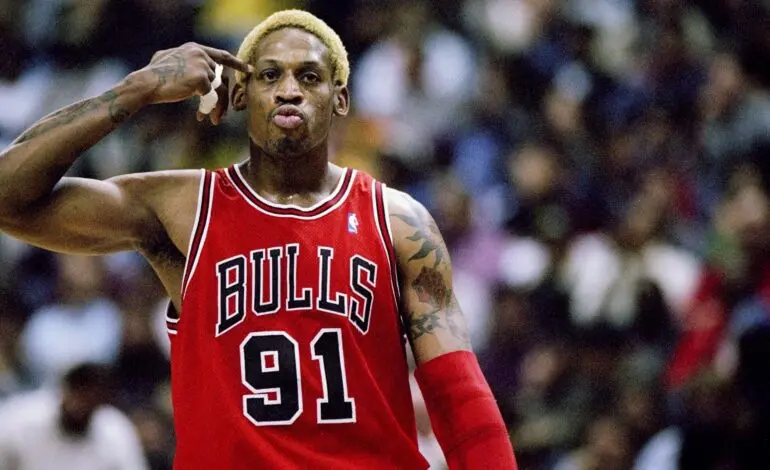
His career took off after his move to the Chicago Bulls in 1995, where he teamed up with basketball legends Michael Jordan and Scottie Pippen. Under coach Phil Jackson, Rodman played a crucial role in the Bulls’ second three-peat, winning three consecutive championships from 1996 to 1998. Throughout his career, Rodman led the league in rebounding for seven consecutive years and was inducted into the Basketball Hall of Fame in 2011.
Cultural Impact and Activism
Beyond basketball, Rodman is known for his bold fashion choices and colorful personality, often seen with bright hair and unique clothing. His notoriety transcended sports, marking him as a pop culture icon. Rodman’s relationship with North Korean leader Kim Jong-un has drawn international attention, symbolizing his role as a bridge between the United States and North Korea, albeit a controversial one.
Rodman has also been vocal about social issues, openly discussing his struggles with mental health and advocating for self-acceptance. His appearances on various talk shows and reality television have helped humanize him and sparked conversations about athletes’ mental health, a topic often overlooked in the sports world.
Conclusion
Dennis Rodman remains a fascinating and complex figure whose influence extends beyond the basketball court. His unique blend of athletic prowess and cultural relevance has made him a subject of documentaries, books, and ongoing media coverage. As discussions around mental health and social issues continue to evolve, Rodman’s journey serves as a reminder of the multifaceted role athletes play in society. His legacy as an NBA champion and cultural icon will undoubtedly continue to resonate for years to come.