The Importance and Impact of Martial Law Today
Introduction: What is Martial Law?
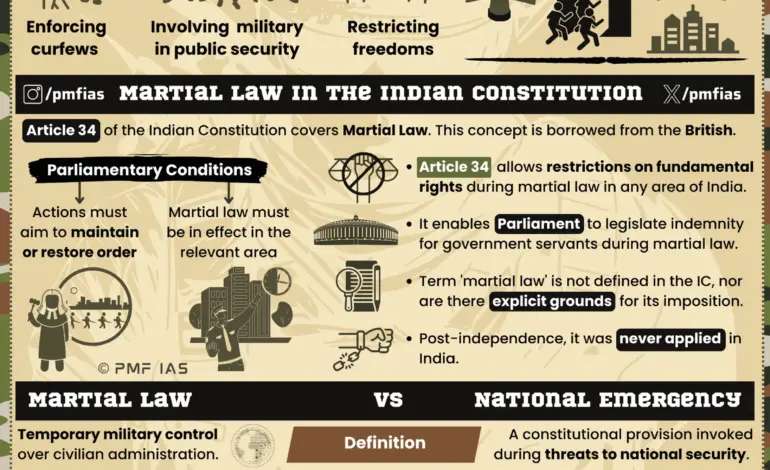
Martial law is a crucial legal framework that governments can invoke during times of crisis, instability, or war. It involves the temporary substitution of civilian rule by military authority. This state of emergency often raises significant questions regarding civil rights, governance, and public safety. Understanding martial law is essential for citizens to navigate the implications it may impose on their daily lives and liberties, especially in current geopolitical contexts where such measures are being considered or enacted.
Current Events Surrounding Martial Law
Recent events across the globe have reignited discussions on the necessity and consequences of martial law. In particular, unrest in various regions has prompted leaders to contemplate its implementation as a means to maintain order. For instance, in the Philippines, President Ferdinand Marcos Jr. has faced calls for martial law amid ongoing threats from insurgent groups and heightened public unrest. Although he has not declared it, the discussion highlights the government’s strategic considerations regarding security and stability.
In Ukraine, the Russian invasion has led to the imposition of military law, enabling the government to control civilian movement and impose curfews to protect national security. This situation illustrates the potential urgency of martial law in protecting states under military threat, but also raises concerns about potential human rights violations and the long-term implications on democracy.
The Broader Implications of Martial Law
The declaration of martial law is often met with public scrutiny and fear, as it can lead to restricted freedoms and civil unrest. Activists and civil rights organizations frequently voice their concerns regarding the potential for abuse of power by military authorities. History has taught us that while martial law may provide a short-term solution to crisis situations, prolonged implementation can erode public trust and lead to human rights abuses.
Moreover, martial law raises questions about its legal basis. In the United States, for instance, the Constitution limits the imposition of martial law, reserving it for extreme circumstances. The interpretation of what constitutes such circumstances can vary, sparking debates among legal scholars and policymakers.
Conclusion: The Future of Martial Law
As global events continue to unfold, the discussion around martial law remains more relevant than ever. The balance between security and civil liberties is delicate, and the decision to impose martial law must be approached with caution. Citizens must stay informed and vigilant, as inappropriate application of martial law could lead to long-lasting repercussions on governance and individual rights. Understanding martial law not only prepares individuals for possible future scenarios but also empowers them to engage in discussions about governance and the protection of their rights.