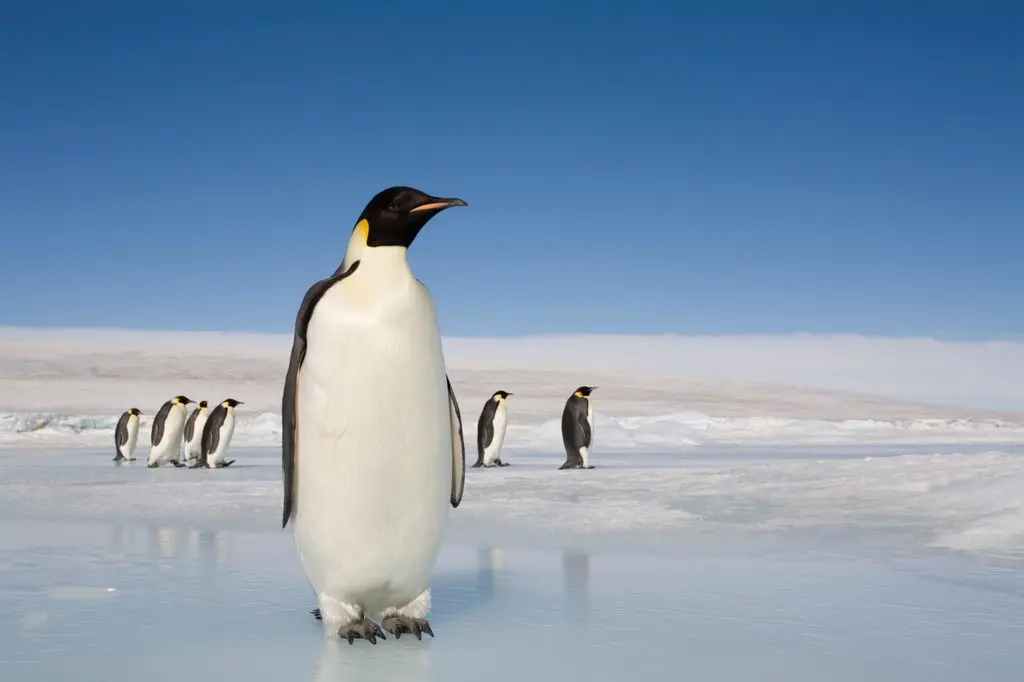
The Fascinating World of Penguins: Habitats, Behaviors, and Conservation
Introduction
Penguins are among the most beloved and unique birds on the planet, known for their distinctive appearance, charming waddle, and life in the cold environments of the Southern Hemisphere. Their fascinating habits and social structures not only capture the public’s imagination but also highlight the importance of biodiversity and urge conservation efforts.
Current Status and Habitat
Penguins primarily inhabit the icy shores of Antarctica, the sub-Antarctic islands, and even parts of South America, Africa, Australia, and New Zealand. There are 18 recognized species of penguins, ranging from the large Emperor Penguin to the tiny Little Blue Penguin. Their populations are currently facing threats from climate change, overfishing, and habitat destruction. According to a recent report from the International Union for Conservation of Nature (IUCN), several penguin species are classified as endangered or vulnerable, raising alarms for conservationists worldwide.
Behavior and Social Structure
These flightless birds are remarkable not just for their looks but for their complex social behaviors. Penguins are social animals, often forming large colonies during breeding seasons. They exhibit fascinating behaviors such as courtship displays, parenting duties, and communal care for chicks. For instance, Emperor Penguins are known for their extreme dedication during the breeding season, with males incubating eggs in freezing temperatures for up to two months.
Conservation Efforts
Various organizations, including the Penguin Conservation Society and the World Wildlife Fund, are focused on safeguarding penguin habitats and promoting sustainable fishing practices to ensure that penguins have access to adequate food sources. Recent initiatives in marine protected areas (MPAs) aim to preserve vital breeding and feeding environments for these birds. Furthermore, climate action becomes increasingly crucial, as rising global temperatures directly impact their icy habitats.
Conclusion
As fascinating creatures that inspire awe and curiosity, penguins play a critical role in their ecosystems and serve as indicators of environmental health. The ongoing threats they face highlight the need for renewed conservation efforts and awareness. By supporting organizations working to protect these iconic birds and addressing climate change, we can help ensure that future generations will continue to marvel at the charm of penguins in the wild. With ongoing public interest and research into their behavior and ecology, we hold the potential to make significant strides towards their conservation.