The Fascinating World of Penguins and Their Habitats
Introduction
Penguins are among the most beloved and recognizable birds on the planet, often associated with their charming waddles and distinctive tuxedo-like appearance. Found primarily in the Southern Hemisphere, penguins play a significant role in the ecosystems of the regions they inhabit. Understanding their habitat, behavior, and the challenges they face due to climate change and human activities is crucial for their conservation and the health of marine environments.
Habitat and Distribution
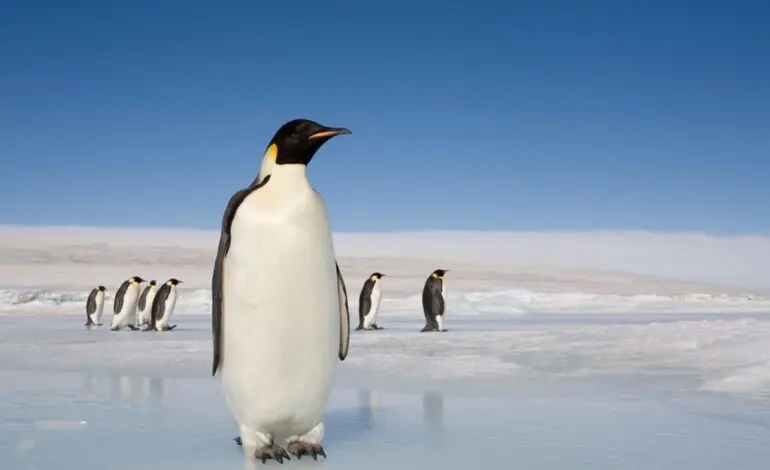
There are 18 species of penguins, ranging from the well-known Emperor and King penguins to the smaller Galapagos and Little Blue penguins. Most penguins reside in cold climates, with a majority found in Antarctica and surrounding islands. However, some species, like the Galapagos penguin, thrive in warmer climates near the equator. Penguins build their nests on land, with some species preferring rocky cliffs or open beaches, where they can access the ocean for hunting.
Behavior and Diet
Penguins are social creatures, often found in large colonies where they engage in social behaviors such as preening and vocalizing. Their diet primarily consists of fish, squid, and krill, which they hunt while swimming. Penguins are excellent divers, capable of reaching depths of over 500 meters in search of food. Their unique adaptations, including a layer of blubber and waterproof feathers, enable them to thrive in chilly waters.
Conservation Status
Despite their popularity, many penguin species are under threat due to climate change, overfishing, and habitat destruction. For instance, the melting ice due to global warming affects the breeding grounds of Emperor and Adélie penguins, while overfishing depletes their primary food sources. Conservation organizations are actively working to protect penguin habitats, restore ecosystem balance, and raise public awareness about their plight.
Conclusion
Penguins serve as vital indicators of marine health, reflecting changes in their environment that can have broader implications for various wildlife species and human communities. As climate change progresses, it is essential for individuals and organizations to support conservation efforts to protect these endearing birds and their habitats. With ongoing attention to their needs and thorough ecological studies, there is hope for the future survival of penguins and the preservation of their ecosystems.