Sleet vs Snow: What’s the Difference?
Introduction to Sleet and Snow
Understanding the differences between sleet and snow is essential for weather preparedness and safety. Both sleet and snow are forms of precipitation that can significantly impact travel, infrastructure, and daily life during winter months. However, they are distinct weather phenomena with different characteristics and formation processes. This article will delve into the differences between sleet and snow, and why it matters for residents and travelers alike.
What is Sleet?
Sleet, often described as freezing rain, occurs when raindrops freeze before they hit the ground. This happens when there is a warm layer of air in the atmosphere, followed by a colder layer near the surface. As the rain falls through the cold layer, it turns into ice pellets, resulting in a mixture of frozen and liquid precipitation that can create hazardous conditions on roads.
What is Snow?
Snow, on the other hand, forms when water vapor in the atmosphere freezes into ice crystals. These crystals build up in the clouds and eventually fall to the ground when they become heavy enough. Unlike sleet, snow is fluffy, lighter, and accumulates on surfaces, creating a picturesque winter landscape. Snowflakes often have unique, intricate structures depending on temperature and humidity conditions during their formation.
Impact and Safety Concerns
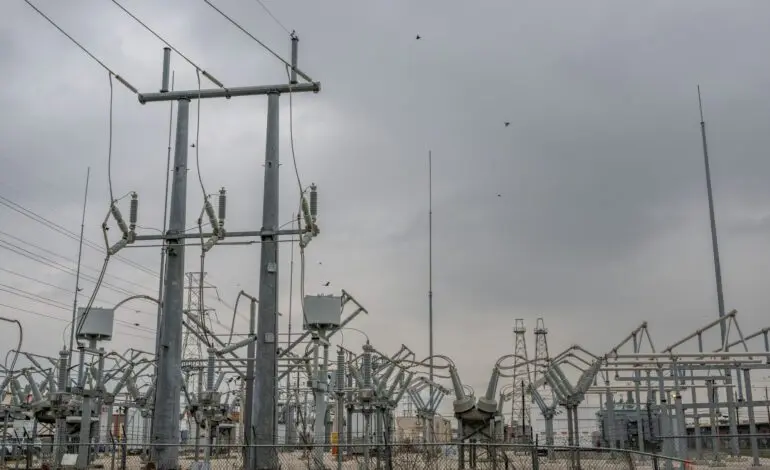
Both sleet and snow can lead to dangerous conditions. Sleet can create a slippery surface that makes driving treacherous, as it forms a glaze of ice on roads. Accumulated sleet can also weigh down branches and power lines, leading to potential outages. In contrast, heavy snowfall can disrupt transportation systems and require significant snow removal efforts, especially in areas that are not accustomed to coping with such conditions. Snow accumulation can lead to roof collapses and other hazards if not managed properly.
Conclusion: The Significance of Learning the Differences
For residents in climates that experience winter weather, understanding the difference between sleet and snow is crucial for safety and preparedness. Both types of precipitation can have severe implications, but recognizing their characteristics can influence how people plan for winter conditions. As climate patterns shift, it is essential to stay informed about local weather forecasts to navigate the season safely.