Ilhan Omar: A Trailblazer in American Politics
Introduction
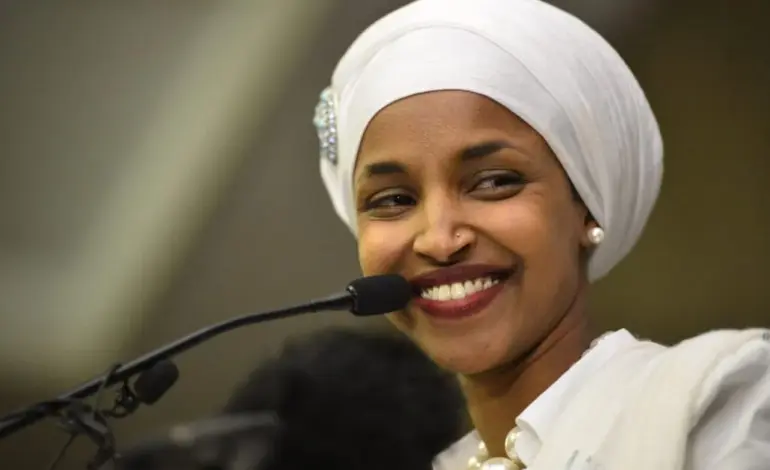
Ilhan Omar, a prominent member of the U.S. Congress, has emerged as a significant voice in American politics.
Her journey from a refugee to a legislator highlights not only personal resilience but also the changing landscape of representation in the United States. As the first Somali-American elected to Congress and one of the first Muslim women to serve, Omar’s story resonates deeply in the context of ongoing debates about immigration, race, and social justice.
Background and Career
Born in Somalia in 1982, Omar fled her home country in 1991 during the civil war and spent four years in a refugee camp in Kenya before settling in Minneapolis. She quickly became involved in her community and began to advocate for issues concerning education, healthcare, and housing.
Omar’s political career began in earnest when she served in the Minnesota House of Representatives from 2017 to 2019. Her campaign focused on issues of social justice and equality, capturing the attention of voters who sought a change from traditional political dynamics. In 2018, she made history by winning a seat in the U.S. Congress, representing Minnesota’s 5th congressional district.
Impact and Controversies
Since taking office, Omar has been a vocal advocate for various progressive causes, including Medicare for All, climate change action, and police reform. Her often controversial comments and bold stances have made her a polarizing figure, drawing both fervent support and strong opposition.
Recently, she has faced criticism for her remarks on foreign policy, particularly regarding Israel and Palestine, echoing broader discussions in the U.S. about the role of race and religion in politics. However, her supporters argue that her perspective is essential for a more inclusive understanding of international relations.
Conclusion
Ilhan Omar’s political journey is emblematic of broader trends in American society, where diversity in representation is increasingly demanded. As she continues to serve in Congress, her role may evolve, but her impact on the dialogue surrounding race, gender, and immigration remains significant.
As we move toward future elections, Ilhan Omar’s influence is likely to persist, inspiring a new generation of leaders from underrepresented communities. Keeping an eye on her legislative initiatives and public statements offers insight into the changing political discourse in America.