Highlights and Cultural Significance of the 2015 Super Bowl
Introduction
The 2015 Super Bowl, known as Super Bowl XLIX, was a pivotal event in the world of sports, uniting millions of fans across the globe. This championship game featured the New England Patriots and the Seattle Seahawks, and it not only showcased athletic prowess but also set records in viewership and advertising revenue. The relevance of the 2015 Super Bowl extends beyond the final score, as it served as a cultural phenomenon that resonated with diverse audiences and influenced popular culture.
Main Body
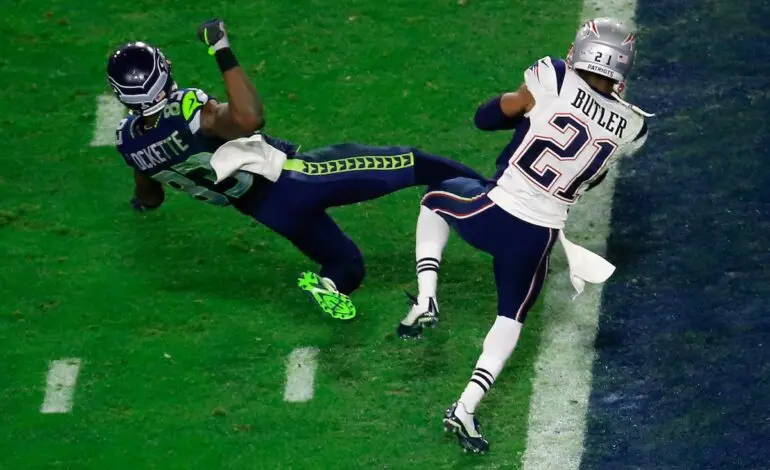
Held on February 1, 2015, at the University of Phoenix Stadium in Glendale, Arizona, Super Bowl XLIX was a thrilling matchup that went down to the wire. The New England Patriots, led by quarterback Tom Brady, emerged victorious with a final score of 28-24. This game was particularly memorable for its dramatic conclusion, where Seahawks quarterback Russell Wilson’s intercepted pass at the goal line sealed the Patriots’ win.
The game garnered a staggering 114.4 million viewers, making it the most-watched Super Bowl in history at that time. This massive viewership translated into record-breaking advertising revenue, with companies willing to invest up to $4.5 million for a 30-second commercial spot during the broadcast. The advertisements aired during the game became cultural highlights themselves, with notable spots from brands like Budweiser, Snickers, and Always that sparked conversations long after the game ended.
Moreover, the Super Bowl halftime show featured famed performer Katy Perry, who delivered a spectacular performance that included surprise guest appearances by Lenny Kravitz and Missy Elliott. Perry’s vibrant show and powerful message of empowerment captivated audiences and reinforced the importance of entertainment as part of the Super Bowl experience.
Conclusion
The significance of the 2015 Super Bowl goes beyond the final score, as it encapsulated a transformative moment in sports history. With record-breaking viewership and a cultural impact that echoed through various channels, the game underscored the NFL’s prominence in American culture. As fans reflect on Super Bowl XLIX, it serves as a reminder of the intersection between sports, entertainment, and social dialogue. Looking years into the future, the 2015 Super Bowl’s legacy will continue to influence how the event is celebrated, turning it into a stage for not just sports but expression and unity amongst diverse audiences around the world.