A Comprehensive Look at Antifa and Its Role in Modern Activism
Introduction
Antifa, short for anti-fascist, has become a prominent term in recent political discourse, yet many still grapple with its meaning and implications. This loosely organized movement has garnered attention for its opposition to far-right extremism, including racism, nationalism, and fascism. As political tensions rise, understanding Antifa’s role in contemporary activism becomes increasingly important for comprehending the broader dynamics of today’s social landscape.
Origins and Evolution
The roots of Antifa can be traced back to Europe in the early 20th century, particularly in opposition to fascist regimes. In the United States, the term gained traction in the 1980s, when groups began organizing against neo-Nazi activities. However, it wasn’t until the Trump administration and incidents like the 2017 Unite the Right rally in Charlottesville, Virginia, that Antifa was thrust into the national spotlight.
Antifa is not a single organization; rather, it encompasses a diverse range of groups and individuals who share a common opposition to fascism. This has led to a varying set of tactics, activities, and ideologies among those who identify with Antifa, making it difficult to define it as a monolithic entity.
Data and Incidents
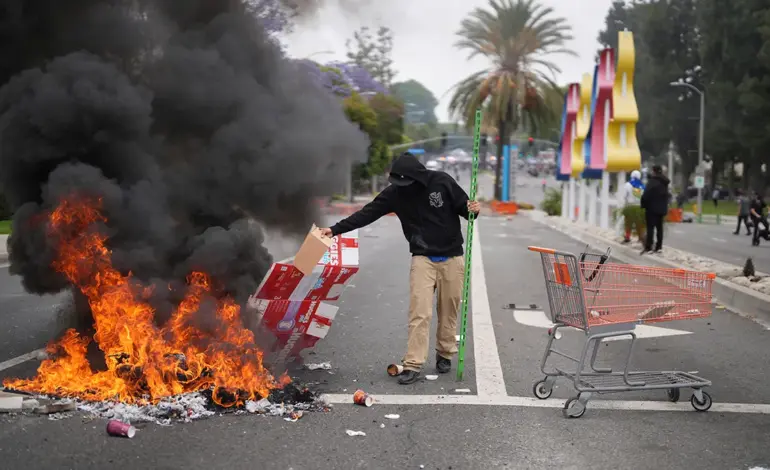
Incidents involving Antifa have sparked significant debate and controversy. While supporters argue that their actions are necessary to combat hate and protect marginalized communities, critics claim that Antifa’s methods, including confrontation and violence, undermine the very values they seek to uphold.
According to a report by the Center for Strategic and International Studies, Antifa-adjacent protests saw a marked increase from 2017 to 2020, coinciding with heightened racial tensions and protests surrounding police brutality. While many rallies were peaceful, there were instances of violence and property damage that have led to a mixed perception among the public.
Current Context and Future Implications
As of late 2023, Antifa remains a key player in the conversation around protest and civil disobedience. With ongoing debates about free speech, political extremism, and social justice, the discussion surrounding Antifa’s methods and motivations continues to evolve. Many activists fear a potential backlash against leftist movements, while supporters emphasize the necessity of standing firm against any form of fascism.
Conclusion
Understanding Antifa is crucial in the current sociopolitical climate. As society continues to grapple with issues of hate and extremism, the actions and ideologies associated with Antifa will play a significant role in shaping the future of activism. Whether viewed as heroes in the fight against tyranny or as troublemakers, the implications of their presence in social movements should not be underestimated.