Understanding the Gulf Coast of the United States
Introduction
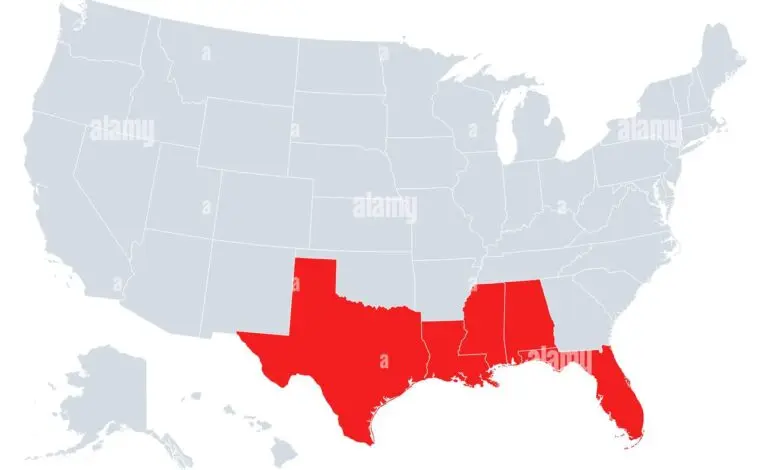
The Gulf Coast of the United States is a vital geographic and economic region that stretches from Texas to Florida. Known for its picturesque landscapes, vibrant ecosystems, and significant marine life, this area plays a crucial role in the country’s tourism, fishing industries, and energy production. With recent developments related to climate change impact and economic recovery, understanding the Gulf Coast’s relevance is more important than ever.
Key Features of the Gulf Coast
The Gulf Coast encompasses parts of five states: Texas, Louisiana, Mississippi, Alabama, and Florida. This region is characterized by its warm climate, rich biodiversity, and extensive marine resources. Key cities such as Houston, New Orleans, and Tampa boast bustling economies that contribute significantly to their respective states. The Gulf of Mexico provides a vital shipping corridor and is a critical area for oil drilling and refining.
Current Events Impacting the Gulf Coast
In recent months, the Gulf Coast has faced several challenges, including hurricanes and rising sea levels. Hurricane Ida, which struck in August 2021, caused significant devastation in Louisiana, leading to long-term recovery efforts. Additionally, the region is grappling with the effects of climate change, leading to increased flooding and coastal erosion.
Local authorities and organizations are working together to proactively address these threats. Efforts are underway to bolster coastal defenses and restore wetlands, which serve as natural buffers against storm surges and flooding. As important ecological assets, these wetlands also support local fisheries and wildlife.
Significance for Communities
The Gulf Coast’s economy heavily relies on tourism, which contributes billions annually. The region’s beautiful beaches attract millions of visitors each year, boosting local businesses. However, the ongoing environmental threats could hinder this important economic engine, prompting communities to consider sustainable practices to protect their natural resources.
Conclusion
The Gulf Coast of the United States is not only a region rich in cultural and economic significance but also a frontline for climate change impacts. Moving forward, the area will require a concerted effort from local, state, and federal entities to protect its unique ecosystems and ensure a sustainable economic future. Understanding the ongoing challenges and initiatives is crucial for residents, policymakers, and investors alike, as the Gulf Coast continues to adapt to an ever-changing landscape.