The Rise and Impact of Non-Fungible Tokens
Introduction to Non-Fungible Tokens
Non-fungible tokens, commonly known as NFTs, have surged in popularity over the past few years, transforming how we perceive ownership and value in digital assets. Unlike cryptocurrencies such as Bitcoin or Ethereum, which are fungible and can be exchanged on a one-to-one basis, NFTs represent unique items and are not interchangeable. This distinct characteristic has made them highly valuable in various sectors including art, gaming, and real estate.
The Current Landscape of NFTs
As of October 2023, the NFT market is booming, with millions of dollars in sales seen across multiple platforms. According to recent data from DappRadar, the NFT trading volume exceeded $1 billion in Q3 2023 alone, indicating a sustained interest from investors and collectors. Major auction houses such as Christie’s and Sotheby’s have begun incorporating NFTs into their sales, further legitimizing the format in the traditional art world.
Several prominent artists and celebrities have launched their own NFT collections, allowing them to connect with fans in innovative ways. For example, digital artist Beeple sold an NFT for a record-breaking $69 million earlier in 2021, demonstrating the potentially astronomical value attached to unique digital creations.
Applications and Potential of NFTs
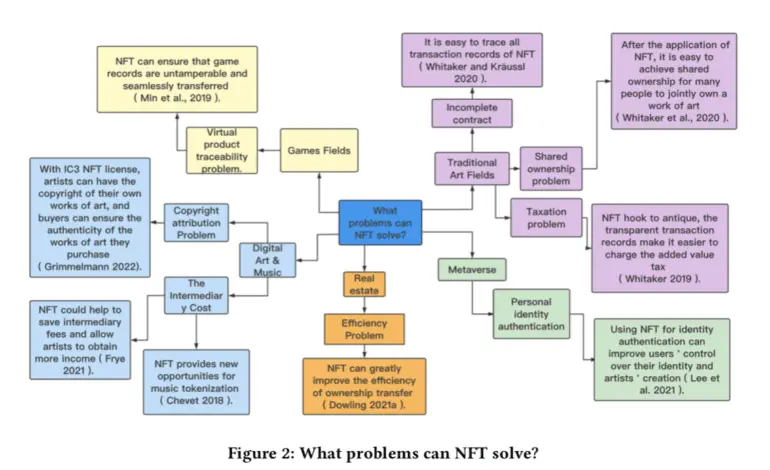
Beyond art, NFTs have established their presence in games, music, and even virtual real estate. Games like Axie Infinity and Decentraland allow players to purchase, trade, and sell unique in-game assets as NFTs, giving them a stake in their virtual environments. The music industry is also exploring NFTs to allow artists to sell music directly to fans and control their royalties better.
Challenges Facing the NFT Market
Despite their rapid growth, NFTs face significant challenges. Environmental concerns related to blockchain technology, especially those relying on proof-of-work systems, have drawn criticism from environmentalists. Additionally, the market remains highly speculative, with concerns about sustainability and long-term value. Potential buyers are urged to conduct thorough research before investing.
Conclusion and Future Insights
In summary, non-fungible tokens are reshaping the landscape of digital ownership and commerce. Their unique characteristics make them appealing across various industries, but they also bring forth challenges that need addressing. As technology evolves and more sustainable practices emerge, the future of NFTs looks promising. For readers interested in investment opportunities or the evolving digital culture, staying informed about developments in the NFT space will be crucial.