Understanding the Impact of Floods on Communities
The Growing Concern of Flooding
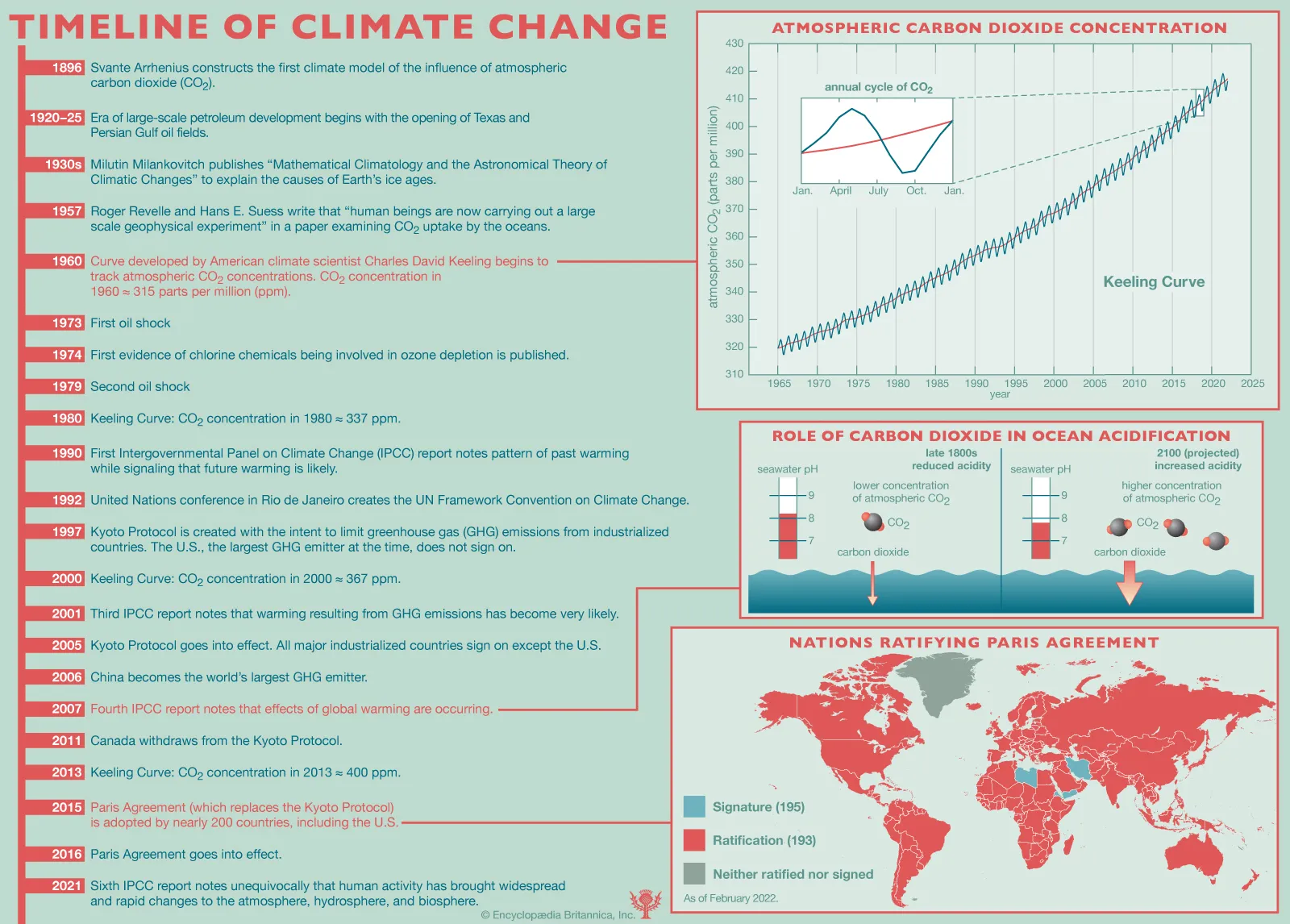
Flooding has become one of the most alarming natural disasters affecting communities globally. With climate change intensifying weather patterns, the frequency and severity of floods have significantly increased. Recent events in various regions serve as a wake-up call regarding the necessity for better preparedness and response strategies.
Recent Flood Events in the United States
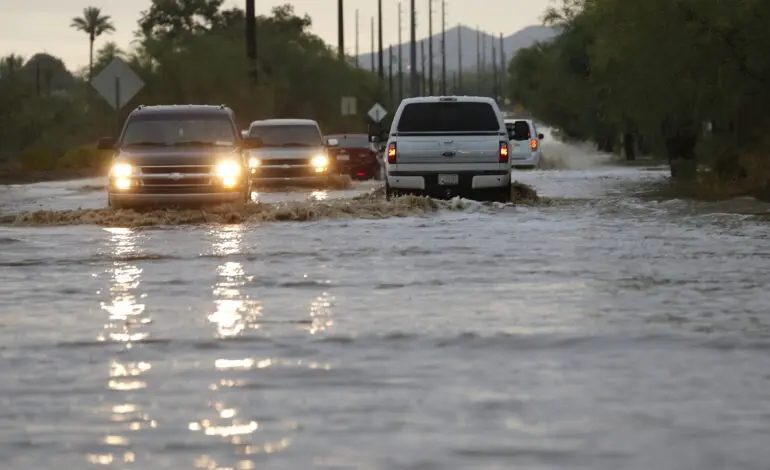
In the past month, areas in the Midwest and Northeast have faced devastating flood conditions. For example, heavy rainfall in Illinois led to flash floods that resulted in the evacuation of hundreds of residents. Emergency services were overwhelmed, as swollen rivers breached levees, causing significant property damage and leading to unsafe conditions for residents.
Similarly, New York experienced torrential downpours that resulted in major urban flooding. Streets turned into rivers, and public transport was severely disrupted. According to the National Weather Service, many of these events were exacerbated by climate change, with storms becoming more intense and unpredictable.
The Consequences of Flooding
The aftermath of severe flooding carries a hefty price tag for recovery. Economic impacts are profound—damages can reach millions of dollars, covering infrastructure repairs, emergency response efforts, and loss of business revenues. Additionally, flooding disrupts daily life, with schools and businesses closing, and residents displaced from their homes. Public health is also at risk, as standing water can breed waterborne diseases and increase the risk of mold in buildings.
Mitigation and Preparedness
To combat floods, communities are adopting innovative mitigation strategies. Building levees, enhancing drainage systems, and creating wetlands are among the effective approaches taken by local governments. Public education campaigns are also critical; informing the community about emergency protocols can save lives. As climate change continues to pose a threat, it is vital for individuals and organizations to advocate for policy changes that address the root causes of flooding.
Conclusion
The significance of understanding and preparing for floods cannot be overstated. As extreme weather becomes increasingly common, proactive measures and widespread community engagement will be key to reducing the impact of future flooding events. For individuals, knowing local flood risks and participating in community planning can foster resilience against such natural disasters. The continued evolution of flood management will play a crucial role in safeguarding communities across the nation.