Understanding the Current Trends in Oil Markets

The Importance of Oil in Today’s Economy
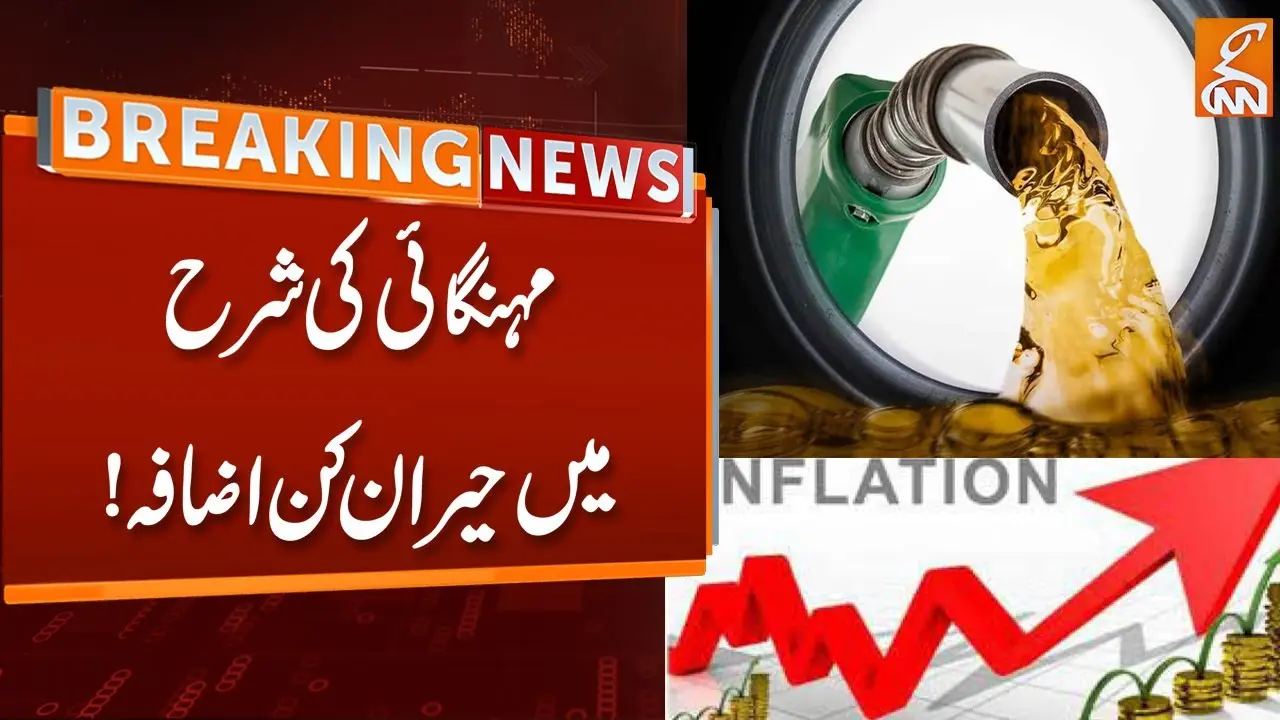
Oil continues to play a pivotal role in the global economy, influencing everything from fuel prices to inflation rates. With recent developments in geopolitics, energy transition strategies, and the ongoing effects of the COVID-19 pandemic, the oil market is undergoing significant changes that warrant close attention.
Recent Developments in Oil Prices
As of late October 2023, the price of Brent crude oil has seen fluctuations, recently hitting highs of $95 per barrel. This spike can be attributed to several factors including OPEC’s decision to extend production cuts and geopolitical tensions in key oil-producing regions like the Middle East. These developments raise concerns about supply shortages and impact economic growth prospects worldwide.
The Impact of Geopolitical Events
Recent military conflicts and sanctions imposed on major oil exporters, especially in the Middle East and Eastern Europe, have reshaped supply chains and contributed to an increase in risk premiums associated with oil. Analysts caution that these geopolitical tensions could lead to sustained high oil prices, eventually trickling down to consumers in the form of increased costs for transportation and goods.
Transition to Renewable Energy
In addition to geopolitical concerns, the global push towards renewable energy sources and sustainability initiatives has implications for the oil market. Countries are striving to reduce their dependence on fossil fuels amid climate change concerns. However, short-term demands for oil remain robust, particularly in developing economies that are still heavily reliant on oil for growth.
Forecasting the Future of Oil
Looking ahead, experts forecast that global oil demand may peak in the near future, but the transition may be bumpy with prices continuing to show volatility. The International Energy Agency (IEA) suggests that while oil use is expected to decline over the next couple of decades, the immediate future may still see high prices as supply adjustments lag behind recovering demand.
Conclusion
The importance of oil in the global economy cannot be overstated, particularly in light of current trends. As geopolitical tensions persist and energy transitions evolve, the oil market will require continuous monitoring to manage risks and capitalize on opportunities. For consumers and investors, understanding these dynamics will be crucial as the ramifications of high oil prices extend beyond merely the fuel pump, influencing broader economic conditions.