The Rise of Japanese Cheesecake: A Fluffy Delight
Introduction
Japanese cheesecake, known for its light and airy texture, has captivated dessert lovers around the world. Its unique blend of traditional cheesecake flavors with a soufflé-like consistency makes this dessert a standout in the global culinary scene. Understanding the nuances of this dessert reveals not only its delightful taste but also the cultural significance it holds.
What is Japanese Cheesecake?
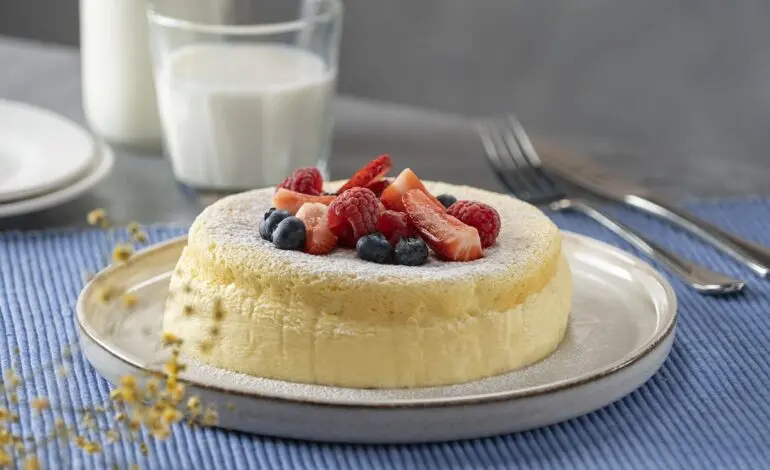
Japanese cheesecake differs markedly from its Western counterpart, primarily in texture and sweetness. It is known for being less dense, incorporating meringue to achieve its fluffy structure. The cake is traditionally made with cream cheese, eggs, sugar, and a small amount of flour or cornstarch, which adds to its jiggly appearance. Often served plain or with fruit toppings, the cheesecake’s flavor profile is subtler and less sugary than traditional cheesecakes, making it more approachable for those sensitive to sweetness.
Current Popularity and Trends
In recent years, Japanese cheesecake has gained immense popularity outside of Japan, emerging as a trendy dessert in supermarkets, cafes, and bakeries across the globe. Social media platforms, particularly Instagram and TikTok, have played a significant role in this phenomenon, with food enthusiasts sharing visually stunning images and videos of the cake’s fluffy texture and unique jiggle. Bakeries have begun to cater to this growing demand, often experimenting with innovative flavors like matcha, yuzu, and chocolate, keeping the traditional base while enticing new consumers.
Global Impact and Cultural Exchange
The increase in the popularity of Japanese cheesecake reflects a broader culinary exchange that bridges cultural traditions. As people worldwide seek diverse flavors and experiences, desserts like Japanese cheesecake offer a taste of Japan’s rich baking heritage. This dessert not only serves as a delicious treat but also promotes Japanese culture and dessert-making techniques, driving culinary curiosity and appreciation for authentic international cuisine.
Conclusion
Japanese cheesecake stands out in the realm of desserts, offering a unique take on the classic cheesecake while carrying with it a rich cultural narrative. As its popularity continues to grow, it paves the way for deeper culinary exploration and appreciation of Japanese cuisine. In the coming years, we can expect an even wider variety of flavors and styles as bakers and chefs experiment with this delightful dish, making it a staple in dessert menus worldwide.