Understanding Extreme Cold Warnings and Their Impact
Introduction
As winter approaches, extreme cold warnings are becoming increasingly common across various regions in the United States. These warnings are critical as they indicate dangerously low temperatures that can pose severe risks to health, infrastructure, and the environment. Understanding what these warnings mean and how to prepare for the accompanying hazards is essential for everyone.
Current Situation
Recently, the National Weather Service (NWS) has issued multiple extreme cold warnings for several states, including North Dakota, Minnesota, and parts of the Northeast. These warnings stem from a polar vortex pushing frigid air into lower latitudes, resulting in temperatures plummeting well below freezing. In some areas, wind chill factors are expected to drop temperatures to as low as -30°F, posing severe risks of frostbite and hypothermia for individuals exposed to these elements.
Health Risks
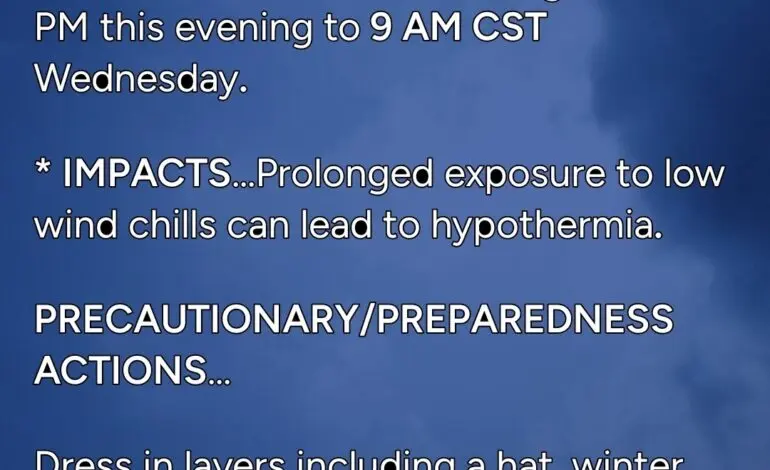
The impact of extreme cold is not to be underestimated. Prolonged exposure to frigid temperatures can lead to severe health issues. Health experts urge residents to avoid outside exposure whenever possible and to dress in layers if they must venture outdoors. Symptoms of frostbite include numbness or a tingling sensation in the affected areas. Hypothermia can develop if body temperature falls below 95°F, necessitating immediate medical attention. Vulnerable populations such as the elderly or individuals with pre-existing health conditions must take extra precautions during these warnings.
Preparedness and Safety Measures
Local authorities are advising residents to prepare emergency kits that include essential supplies such as food, water, batteries, and blankets in the event that power outages occur. Animal care is also crucial; pet owners should ensure their pets have adequate shelter and warmth. The NWS recommends checking on neighbors, especially those who may be ill or elderly, to ensure their safety during extreme weather conditions.
Conclusion
In conclusion, as we navigate through this winter season, it is of utmost importance to heed extreme cold warnings from authorities. Preparation is key to ensuring safety and health during periods of severe cold. Awareness and proactive measures can help mitigate the risks associated with temperature drops and guide individuals and families through these challenging weather conditions. As more warnings may be issued throughout the winter, staying informed and prepared should be a priority for all.