The Innovative Strategies Behind Red Bull’s Success
Introduction
Red Bull has become synonymous with energy drinks since its launch in the 1980s. With its distinct marketing strategies, the company has not only established a solid place in the beverage industry but has also cultivated a cultural phenomenon around extreme sports and entertainment. This makes Red Bull an essential case study in brand management and marketing innovation.
Red Bull’s Unique Marketing Approach
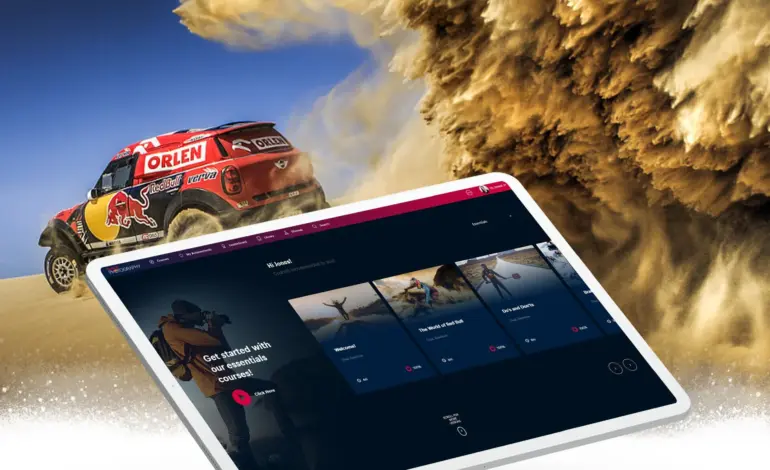
One of the reasons for Red Bull’s remarkable growth is its avant-garde marketing. The company has invested heavily in sponsorships of extreme sports, including Formula 1 racing, motocross, and even esports, creating a lifestyle brand that resonates with thrill-seekers. In 2023, Red Bull Racing expanded its presence in Formula 1, enhancing its team with top talents and securing numerous podium finishes, which further solidifies its image as a leader in both energy drinks and sports.
Content Creation and Brand Engagement
In addition to traditional advertising, Red Bull has pioneered content marketing through its media arm, Red Bull Media House. The company produces films, documentaries, and entertainment that showcase extreme sports, providing an avenue for enthusiasts to engage with the brand beyond just consuming products. In 2023, popular events like the Red Bull Air Race and its annual Red Bull Cliff Diving World Series attracted widespread attention, both online and offline, drawing millions of viewers and participants. This approach not only fosters community engagement but also reinforces brand loyalty.
Sustainability Initiatives
Moreover, Red Bull has committed to sustainability, aiming to reduce its environmental footprint significantly by 2025. The corporation is focusing on sustainable sourcing for ingredients, reducing energy consumption, and recycling initiatives. Its efforts resonate well with increasingly eco-conscious consumers, and this alignment with sustainability trends may enhance Red Bull’s market position in the long run.
Conclusion
Red Bull remains a dynamic force in the beverage sector, demonstrating the importance of innovative marketing, brand engagement through content, and sustainability in maintaining relevance. As it continues to evolve amidst competitive pressures and changing consumer preferences, Red Bull’s ongoing strategies will be essential for retaining its market dominance and cultural relevance. Observers will be keen to see how the brand adapts its strategies to enhance its growth trajectory in the years ahead, potentially setting new benchmarks in the energy drink industry.