The Greenland Deal: A Strategic Shift in Global Relations
Introduction
The Greenland deal has gained significant attention recently due to its implications for international relations, geopolitical strategy, and economic opportunities. As tensions rise over climate change and resource access, nations have increasingly shifted their focus toward Greenland, which holds vast natural resources. The relevance of the Greenland deal extends beyond economics; it also involves environmental considerations and geopolitical strategy, making it a crucial topic of discussion on the world stage.
Details of the Greenland Deal
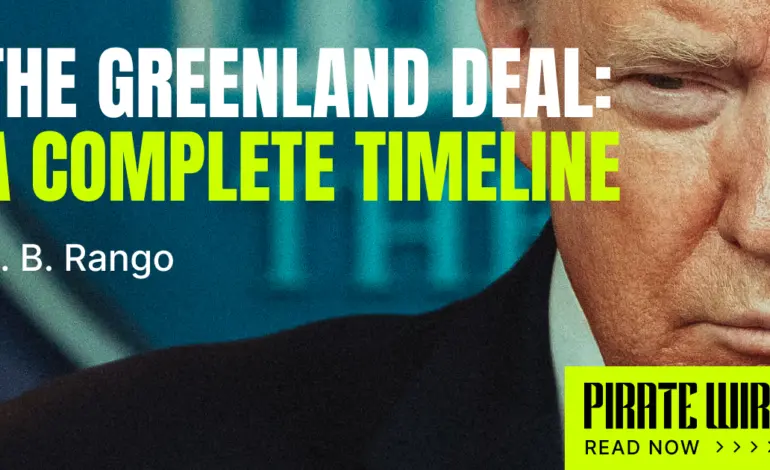
The Greenland deal primarily revolves around the United States and Denmark’s discussions about securing economic partnerships and fortifying military presence in the Arctic region. The United States has shown heightened interest in Greenland since President Trump’s proposal to purchase the territory in 2019. Though that proposal was dismissed, it sparked a renewed focus on the islands’ strategic importance due to its mineral resources, military positioning, and shipping routes. Recently, Denmark’s government announced plans to enhance investments in Greenland’s infrastructure and to promote sustainable economic development through partnerships with American companies.
In 2023, joint ventures between American firms and local businesses in Greenland have been initiated, aimed at tapping into the island’s rare earth minerals, which are critical for technology and green energy industries. Additionally, the deal aims at improving living standards for Greenlanders while allowing them to retain control and sovereignty over their resources. Key components of the agreement include environmental safeguards to protect the biodiversity of the region and community engagement plans to involve local populations in the decision-making process.
International Reactions and Future Implications
Reactions to the Greenland deal have been mixed internationally. While the United States and Denmark view it as an opportunity for economic growth and stability in the Arctic, other nations, particularly China and Russia, perceive it as a challenge to their influence in the region. China has pursued its investments in Greenland’s mining sector, leading to concerns about resource competition in the Arctic.
Experts believe that the Greenland deal will reshape alliances and power dynamics. As global interest in the Arctic increases due to climate change, the deal could serve as a model for future agreements that balance resource extraction with environmental stewardship. The deal’s success may influence other territories facing similar pressures from global powers, positioning Greenland as a pivot point in Arctic geopolitics.
Conclusion
In conclusion, the Greenland deal represents a significant shift in global relations, illustrating the complex interplay between economics, environmentalism, and geopolitics. As nations navigate the challenges of resource competition and climate change, agreements like the Greenland deal will play a crucial role in shaping the future of international diplomacy in the Arctic. Moving forward, stakeholders will need to prioritize sustainable practices and collaboration to ensure the benefits of such decisions are equitably distributed, not only for Greenland but for the entire international community.