The Evolution and Importance of Maps in Modern Society
Introduction
Maps have long been essential tools for navigation and understanding our world. From ancient hand-drawn parchments to cutting-edge digital tools, the evolution of maps reflects changes in technology and human knowledge. In today’s interconnected society, maps not only help us find our way but also play crucial roles in various fields, including urban planning, disaster management, and even daily commuting.
The Historical Context of Maps
The history of maps dates back to ancient civilizations. The earliest known maps were created by the Babylonians around the 6th century BC, delineating territories and showing the placement of cities. As time progressed, cartography evolved significantly, with notable advancements during the Age of Exploration in the 15th and 16th centuries. Figures like Gerardus Mercator created maps that helped navigate uncharted waters. These historical maps served as tools for exploration, trade, and empire expansion.
Technological Advancements in Mapping
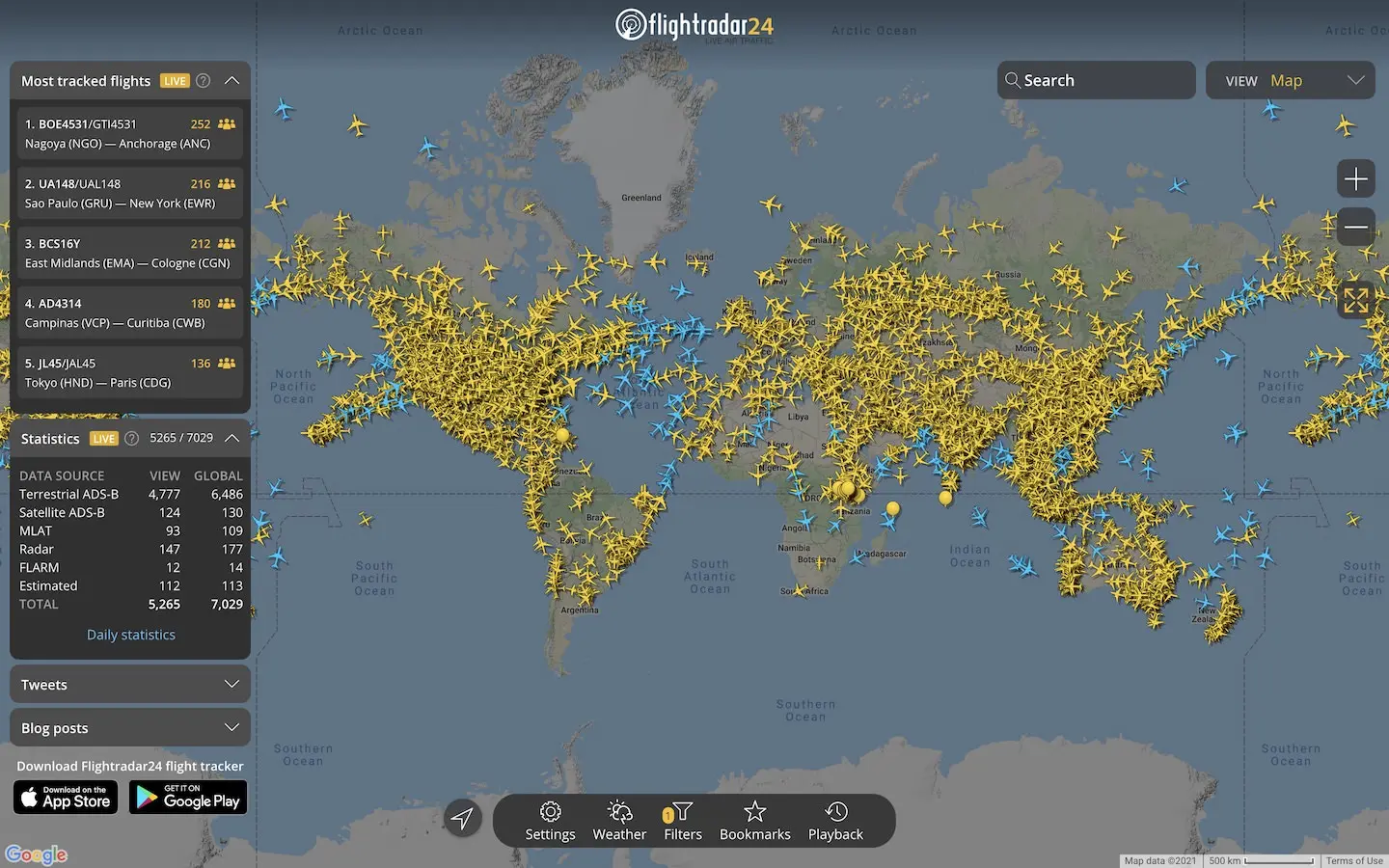
Today, maps have undergone a radical transformation with the advent of technology. Geographic Information Systems (GIS) have revolutionized how we collect, analyze, and interpret spatial data. Platforms such as Google Maps and Apple Maps have made it easier for people to navigate their surroundings and access real-time data. The integration of satellite imagery and GPS technology has enhanced accuracy, allowing for detailed representations of everything from city layouts to hiking trails.
Maps in Modern Applications
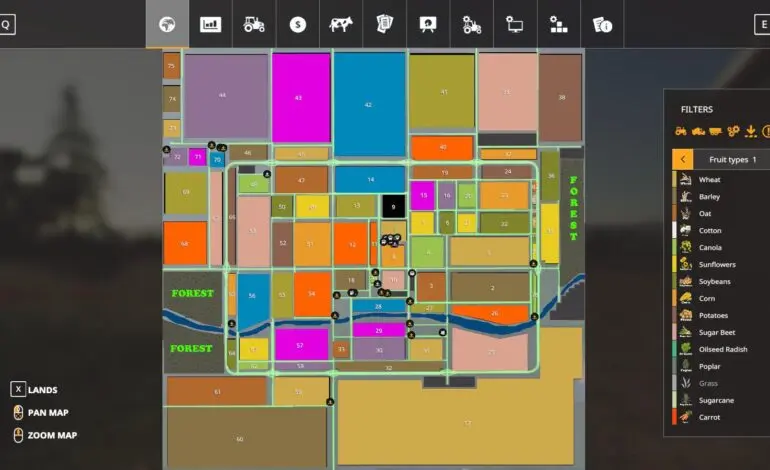
In contemporary society, maps serve various crucial functions beyond basic navigation. Local governments utilize maps for urban planning, helping to assess land use and infrastructure development. During natural disasters, emergency services rely on maps for efficient resource allocation and evacuation planning. Educational tools also utilize maps, enhancing geographical literacy among students worldwide. Furthermore, mapping technology has become pivotal in industries such as transportation, logistics, and environmental monitoring.
Conclusion
The significance of maps extends far beyond their basic function of helping us find directions. As society continues to embrace technology, the integration of maps into our daily lives is likely to increase. The advent of augmented reality (AR) and artificial intelligence (AI) may lead to even more advanced and interactive mapping capabilities. As we look toward the future, understanding the historical evolution and modern applications of maps will remain vital for navigating the complexities of our changing world.