Understanding the Gulf of Mexico: Its Importance and Impact
Introduction
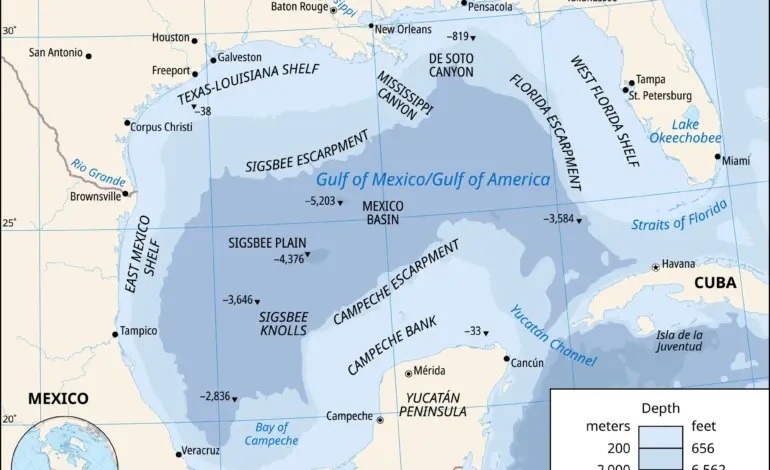
The Gulf of Mexico is not just a picturesque body of water; it plays a critical role in the ecology and economy of the United States and surrounding regions. Covering an area of approximately 600,000 square miles, the Gulf is an integral part of the marine ecosystem, supporting a diverse range of wildlife and providing vital resources for fishing, tourism, and energy production.
Ecological Importance
The Gulf is home to a rich variety of marine life, including fish, birds, and marine mammals. For instance, the Gulf of Mexico’s continental shelf is one of the most productive fishing areas in the world, yielding billions of dollars annually in seafood. Efforts to protect its delicate habitats, such as coral reefs and wetlands, are ongoing, as these areas serve as nurseries for many species and act as buffers against natural disasters like hurricanes.
Economic Impact
The economy of the Gulf region is heavily influenced by its diverse industries. Tourism is a significant contributor, with millions flocking to coastal areas each year for recreational activities like fishing, boating, and beach outings. According to the National Oceanic and Atmospheric Administration (NOAA), recreational and commercial fishing in the Gulf generates tens of billions of dollars each year, showcasing the area’s economic value. Furthermore, the Gulf of Mexico is essential for oil and gas production, accounting for about 16% of the total U.S. crude oil production and over 4% of natural gas supply.
Current Challenges
Despite its advantages, the Gulf faces numerous environmental challenges, including pollution, climate change, and the impacts of oil spills. The Deepwater Horizon oil spill in 2010 remains one of the most catastrophic environmental disasters, severely affecting marine life and coastal communities. Recent studies indicate that the Gulf’s ecosystems are still recovering, highlighting the ongoing need for conservation and responsible resource management.
Conclusion
In conclusion, the Gulf of Mexico is a vital region that contributes significantly to both ecological diversity and economic stability. Ongoing efforts to preserve its resources and address environmental issues will be paramount for future generations. As the Gulf continues to face challenges related to climate change and pollution, stakeholders must collaborate to ensure its sustainability. Understanding the significance of the Gulf is crucial not only for those living in the surrounding areas but also for the broader economic and ecological health of the nation.