Understanding Measles Symptoms: What You Need to Know
Introduction
Measles is a highly contagious viral disease that poses serious health risks, especially to children and unvaccinated individuals. As the world navigates through ongoing vaccination efforts, understanding the symptoms of measles is crucial for promoting early detection and containment of the disease. With recent outbreaks reported in various regions, staying informed about measles symptoms is a key aspect of public health awareness.
Main Symptoms of Measles
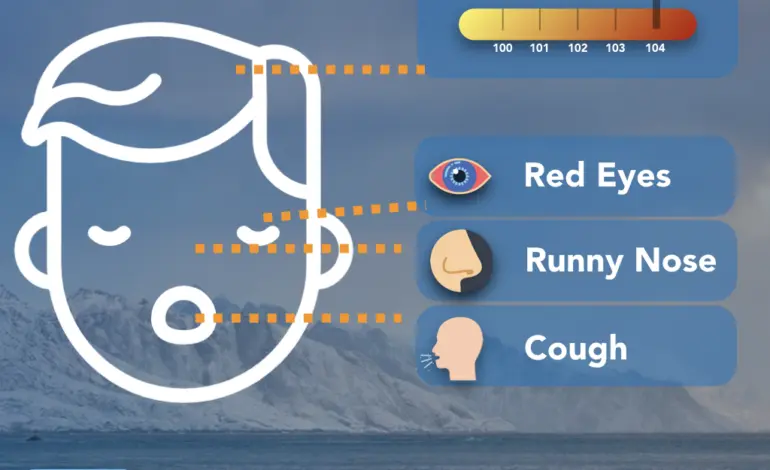
Measles typically manifests with a series of symptoms that can escalate quickly. The initial symptoms include:
- High Fever: A significant rise in body temperature often occurs around 10-12 days after exposure to the virus.
- Cough: A characteristic dry, hacking cough is common in the early stages.
- Runny Nose: This is often accompanied by nasal congestion, adding discomfort to the affected individual.
- Red Eyes: Conjunctivitis, or inflammation of the eye, may result in redness, sensitivity to light, and tearing.
Following these initial symptoms, a distinctive rash typically develops. The rash usually appears about 2-4 days after the fever begins. It often starts on the face and spreads to the rest of the body. The spots can merge and lead to extensive areas of red skin.
Complications Arising from Measles
In addition to the primary symptoms, measles can lead to severe complications, especially in infants and those with weakened immune systems. Potential complications include:
- Pneumonia: A serious infection that can be life-threatening.
- Encephalitis: Inflammation of the brain that can lead to long-term neurological issues.
- Blindness: Measles can cause serious eye complications that might result in vision impairment.
- Dehydration: Resulting from vomiting and diarrhea, which may occur in conjunction with measles.
Conclusion
Recognizing the symptoms of measles is essential for timely medical intervention and for preventing outbreaks. Vaccination remains the most effective way to protect against measles, with the MMR (measles, mumps, and rubella) vaccine being highly effective. As global travel increases and vaccination rates fluctuate, vigilance is more important than ever. Public health initiatives must focus not only on vaccination but also on educating communities about these critical symptoms, ensuring that anyone who shows early signs receives prompt care.