Understanding Listeria: Health Risks and Prevention
Introduction to Listeria
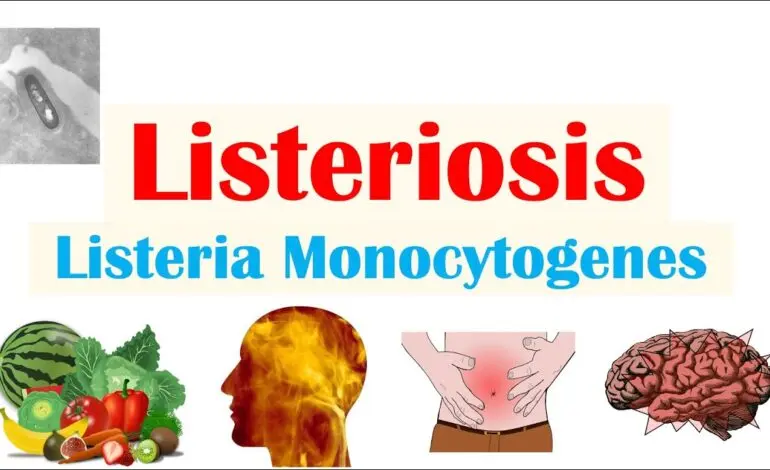
Listeria monocytogenes is a type of bacteria that causes listeriosis, a serious infection primarily affecting pregnant women, newborns, the elderly, and individuals with weakened immune systems. Recent outbreaks have highlighted the importance of understanding and preventing this foodborne illness, which is often linked to contaminated food products.
Recent Outbreaks and Health Impacts
In 2023, the U.S. Centers for Disease Control and Prevention (CDC) reported multiple listeria outbreaks associated with ready-to-eat deli meats and unpasteurized dairy products. As of September 2023, investigations into these outbreaks revealed dozens of illnesses across several states, with hospitalizations reported due to severe complications.
The CDC emphasizes that listeria can thrive in refrigerated environments, making it particularly dangerous for food products that are not cooked or sufficiently processed before consumption. Symptoms of listeriosis can include fever, muscle aches, nausea, and diarrhea. For vulnerable populations, the infection can escalate quickly, leading to severe illness or even death.
Sources of Listeria
Listeria is commonly found in soil, water, and animal feces. It can contaminate a variety of foods, including:
- Soft cheeses made from unpasteurized milk
- Ready-to-eat deli meats
- Raw sprouts
- Unwashed fruits and vegetables
In addition to contamination in food production, improper food handling at home can contribute to listeria outbreaks. Cross-contamination and inadequate cooking temperatures can allow listeria to survive.
Prevention Strategies
The USDA and CDC recommend several strategies to reduce the risk of listeria infection:
- Always refrigerate perishable foods promptly.
- Cook food to safe temperatures, particularly meats.
- Avoid unpasteurized dairy products.
- Wash hands, utensils, and surfaces frequently when preparing food.
- Rinse fruits and vegetables under running water before eating.
Conclusion and Future Outlook
With food safety regulations constantly evolving and public awareness increasing, the fight against listeria continues to be a high priority for health organizations. Continued education on food safety practices paired with stringent standards in food production can significantly mitigate the risks associated with listeria. As consumers, understanding the sources and symptoms of listeriosis empowers us to make safer choices and advocate for better food safety in our communities.