Understanding Extreme Cold Watch Alerts and Their Impact

Introduction
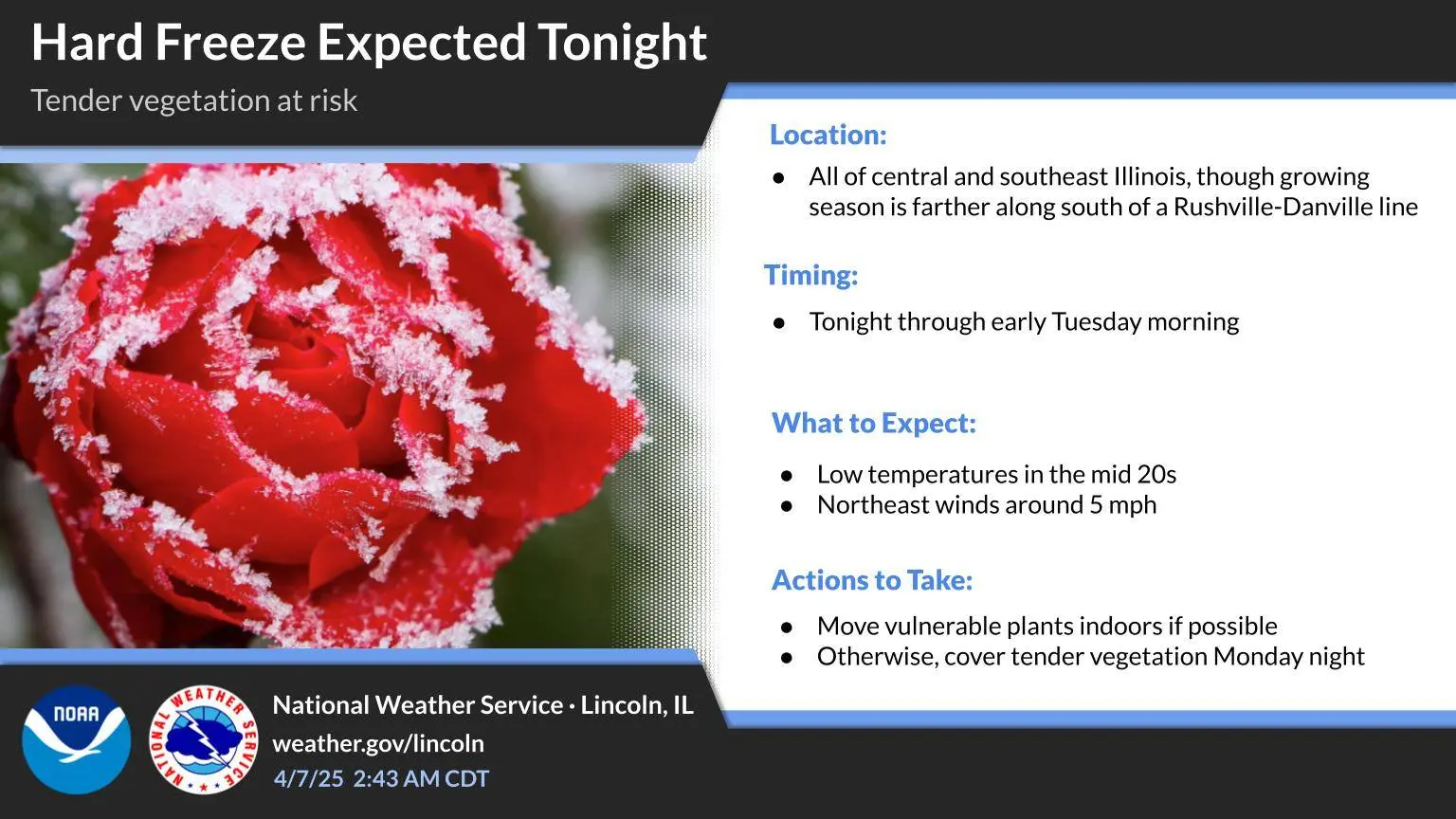
With winter fully upon us, an extreme cold watch has been issued for numerous states across the Midwest and Northeast, emphasizing the potential dangers associated with plummeting temperatures. These alerts are crucial for public safety, as they inform residents of the impending weather conditions that can lead to frostbite, hypothermia, and other health risks.
What is an Extreme Cold Watch?
An extreme cold watch is a weather advisory issued by the National Weather Service (NWS) when prolonged exposure to frigid temperatures is expected. Typically, these watches indicate that the temperature will drop to -15 degrees Fahrenheit or colder, often coupled with wind chills that make conditions feel even colder. This year, the Midwest has already reported temperatures dropping to dangerous levels, with some areas experiencing wind chills below -30 degrees Fahrenheit.
Current Alerts and Regions Affected
As of this week, extreme cold watches have been activated in several states including Minnesota, Wisconsin, Iowa, and parts of Michigan. The NWS advises residents in these areas to prepare for severe winter conditions by staying indoors as much as possible, wearing multiple layers if venturing outside, and ensuring that pets are kept warm. The cold snap is expected to last several days, posing a risk not only to people but also to vulnerable infrastructure like pipes and power lines.
Health Risks and Safety Measures
Exposure to extreme cold can lead to serious health issues. Hypothermia, which occurs when body temperature drops below 95 degrees Fahrenheit, can develop swiftly in these conditions. Symptoms include shivering, confusion, and fatigue. Frostbite, typically affecting fingers, toes, and noses, can occur in just minutes when exposed to the extreme cold. To mitigate risks, individuals are advised to dress in insulated layers, avoid prolonged outdoor activities, and stay informed through local weather updates.
Conclusion
The issuance of an extreme cold watch serves as a crucial reminder of the winter hazards that can impact daily life. As temperatures continue to drop in many regions, it’s essential for individuals and families to prepare adequately for the extreme conditions. By staying informed and taking preventative measures, communities can reduce the risks associated with extreme cold, ensuring safety for everyone. Looking ahead, meteorologists suggest that while this cold wave may be intense, it is projected to be short-lived, with temperatures gradually warming up next week.