Lisa Cook: A Trailblazer in Economic Policy and Research
Introduction
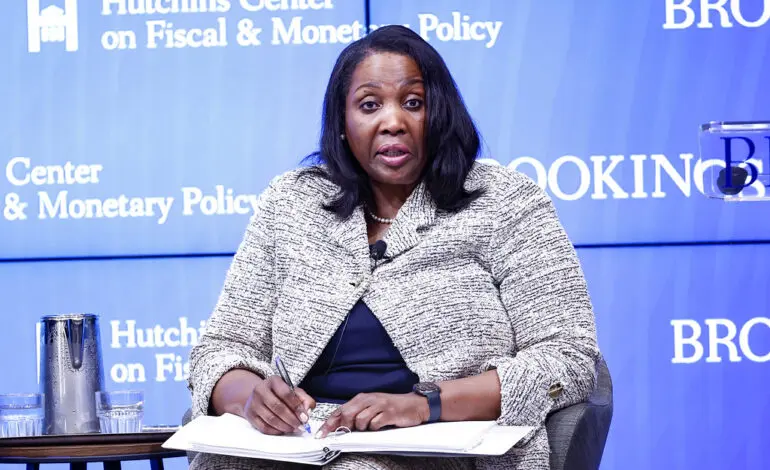
Dr. Lisa Cook has emerged as a pivotal figure in the realm of economic policy and research. As the first Black woman to serve on the Board of Governors of the Federal Reserve System, Cook’s role is not only historic but vital in today’s economic landscape. Her insights are impacting financial policies at a time of significant economic challenges, making her a relevant figure in both academic circles and public discourse.
Career and Contributions
Cook’s academic background is impressive; she holds a Ph.D. in economics from the University of California, Berkeley, and has served at prestigious institutions such as Michigan State University and the National Bureau of Economic Research. Her research has often focused on the intersection of race and economics, examining how systemic barriers impact innovation and economic growth.
In 2022, Cook was appointed to the Federal Reserve Board and has since advocated for policies aimed at enhancing economic equality. Her emphasis on the importance of including diverse voices in economic dialogues is particularly noteworthy. Cook’s recent initiatives include supporting policies that aim to mitigate inflation’s effects on lower-income households, thereby bridging the gap between traditional economic theories and contemporary social challenges.
Recent Developments and Initiatives
In light of the ongoing economic recovery post-pandemic, Cook has been vocal about the necessity for adaptive monetary policies. In her recent speeches, she highlighted the need to rethink traditional metrics of economic recovery to include indicators such as employment rates within marginalized communities. This shift in focus not only reflects her commitment to diversity but also aims to foster resilience in the economic recovery process.
Her commentary on the importance of innovation and support for small businesses has garnered attention, prompting discussions among policymakers about how to connect entrepreneurs from all backgrounds with the resources they need to thrive. Cook argues that inclusive economic growth requires a holistic approach that considers the unique challenges faced by underrepresented groups.
Conclusion
As Lisa Cook continues to influence economic policy at a national level, her role serves as a reminder of the importance of diverse perspectives in shaping effective economic strategies. The economic landscape is complex, and Cook’s contributions underscore the necessity for innovative thinking and comprehensive approaches to navigate upcoming challenges, including inflation and inequality. Looking ahead, her leadership may pave the way for a more inclusive economic future that benefits all segments of society, proving that representation and expertise can lead to significant advancements in public policy.