Understanding the Latest Inflation Trends in the U.S.
Introduction
Inflation has been a significant topic of discussion in the United States, particularly as the economy strives to recover from the impacts of the COVID-19 pandemic. Understanding the latest inflation trends is crucial for consumers, businesses, and policymakers alike, as they navigate the complexities of rising prices and shifting economic conditions.
The Current State of Inflation
As of October 2023, the U.S. inflation rate stands at 3.7%, a slight decrease from 4.2% reported earlier this year. The consumer price index (CPI) has shown fluctuations over recent months, reflecting a mixture of ongoing supply chain issues, energy prices, and increased demand as the economy continues to rebound. The Federal Reserve’s efforts to combat inflation through interest rate adjustments have also played a role in shaping current inflation dynamics.
Key Factors Contributing to Inflation
Several factors have contributed to the recent trends in inflation. Energy prices, particularly for gasoline and heating oil, have seen considerable volatility, greatly impacting consumers’ disposable income. Furthermore, supply chain disruptions, exacerbated by geopolitical tensions and post-pandemic adjustments, continue to affect the availability of goods, leading to higher prices.
Labor shortages have also been a significant factor, as many businesses struggle to find employees, prompting increases in wages that can further push prices up. The transition to a post-pandemic economy brings renewed consumer spending, particularly in sectors like travel and hospitality, which tightens the market and contributes to inflationary pressures.
Consumer Impact and Outlook
The effects of inflation on consumers are palpable, particularly for essentials such as food, housing, and transportation. Households are experiencing higher costs, leading to changes in spending habits and financial planning. In response to these pressures, many consumers are seeking budget-friendly alternatives and monitoring price changes more closely.
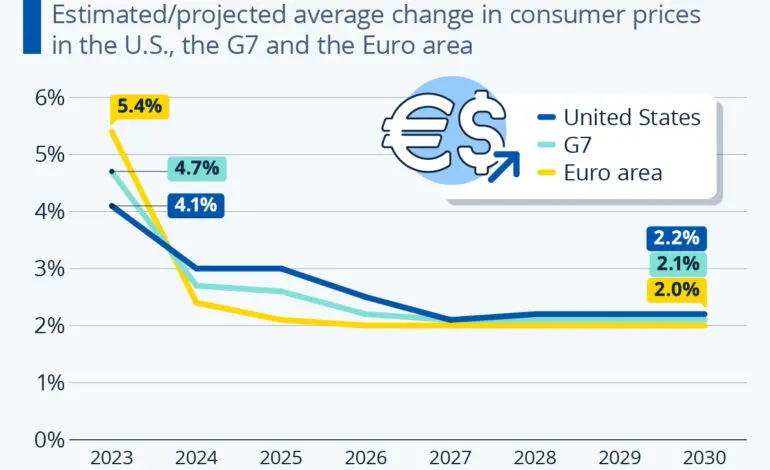
Looking ahead, economists predict that inflation rates may stabilize as supply chains gradually adjust and demand normalizes post-pandemic. However, ongoing geopolitical issues and potential climate-related events could still create short-term spikes.
Conclusion
The latest inflation trends underscore the complexity of the economic landscape in the United States. Understanding these trends allows consumers and businesses to make informed decisions amidst rising prices. As policymakers continue to address inflation through fiscal and monetary strategies, both immediate and long-term impacts on the economy will remain a critical focus in the coming months. Keeping an eye on these developments will be essential for navigating the financial challenges ahead.