Understanding the Government Shutdown of 2026: Impacts and Insights
Introduction
The looming possibility of a government shutdown in 2026 has significant implications for millions of Americans. As the budget season approaches, political tensions are escalating, making it crucial for citizens to understand what a government shutdown could mean for federal services, employees, and the economy. Budget disagreements between Congress and the President have historically led to shutdowns, disrupting government operations and causing widespread uncertainty.
What We Know So Far
As of now, discussions regarding the federal budget for 2026 have started, and key issues like healthcare, defense spending, and social programs are at the forefront of the debate. Recent surveys indicate that only 38% of Americans believe Congress will pass a budget on time, raising concerns among economists and policymakers about the possibility of a government shutdown.
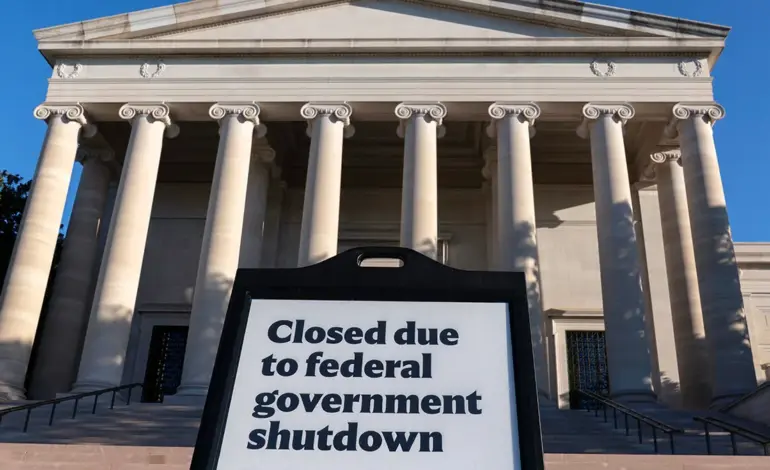
Furthermore, in 2025, a partial shutdown occurred due to a failure to reach a consensus on the budget, where essential services like national parks and federal agencies were temporarily closed. Observers indicate that if political leaders do not engage in meaningful negotiations before the fiscal deadline, a similar outcome could unfold in 2026.
Potential Impacts
The implications of a government shutdown could be far-reaching. Approximately 2 million federal employees may face mandatory furloughs, significantly impacting their income and spending capabilities. Essential services, including social security, veterans’ benefits, and public health services, could also be disrupted, further straining communities already facing economic difficulties. Moreover, businesses reliant on federal contracts may experience interruptions, leading to layoffs and increased economic uncertainty in various sectors.
It’s also noteworthy that past government shutdowns have resulted in reduced GDP growth, with economists estimating that a shutdown lasting more than a week could cost the economy billions of dollars.
Conclusion and Outlook
The prospect of a government shutdown in 2026 underscores the importance of political cooperation and effective budget management. Political leaders must prioritize negotiations to avert a shutdown’s severe consequences. Preparing for potential disruptions is crucial for citizens and government employees alike. Recognizing the signs of an impending shutdown can enable individuals to plan accordingly, whether it involves financial preparations or staying informed about critical government services. The upcoming year will be pivotal, and how leaders react to budgetary challenges will ultimately shape the economic landscape and the American public’s trust in governmental institutions.