The Rise of TV Apps in 2023: What You Need to Know
Introduction
In today’s digital age, TV apps have become essential tools for viewers seeking convenient access to their favorite shows and movies. With the advent of smart TVs and mobile devices, streaming content has transformed how audiences consume media. The relevance of TV apps continues to grow, particularly as the demand for on-demand entertainment rises, driven by the success of platforms like Netflix and Hulu.
Current Trends in TV Apps
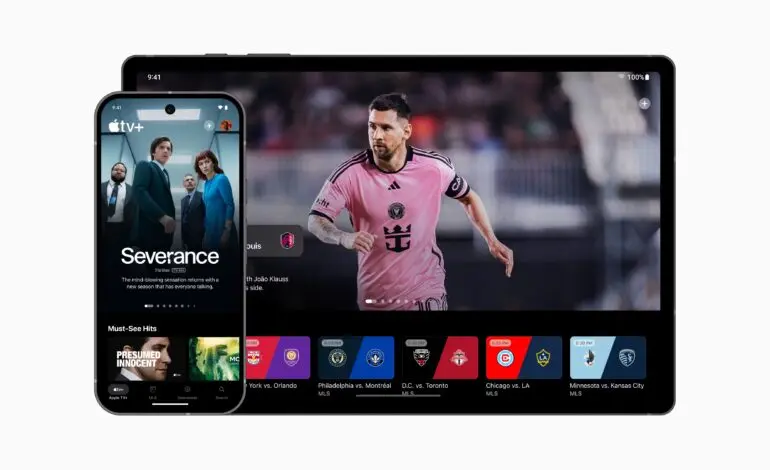
As of 2023, the TV app landscape has expanded significantly, introducing numerous options for users. Major streaming services have witnessed an uptick in subscriptions, with global streaming revenues projected to exceed $70 billion by the end of the year. Popular apps such as Amazon Prime Video, Disney+, and Apple TV+ are competing fiercely, not just for subscribers but also for exclusive content. The incorporation of features such as offline viewing and personalized recommendations has further enriched user experiences.
Moreover, free ad-supported streaming services like Tubi and Pluto TV are gaining traction by offering viewers substantial content at no cost. This shift towards cost-effective streaming solutions reflects a broader trend wherein consumers are seeking value without compromising quality.
Technological Innovations
Technological advancements are also changing the dynamics of TV apps. The integration of Artificial Intelligence (AI) allows for smarter content curation and enhanced user interfaces. For example, AI-driven algorithms help streamline navigation and make personalized suggestions based on viewing habits. Moreover, the rise of 5G technology is expected to improve streaming quality and reduce buffering, making TV apps even more appealing for users on mobile devices.
Challenges Facing TV Apps
Despite the growth and opportunities in this sector, TV apps face several challenges. Issues such as content piracy, fluctuating licensing agreements, and fierce competition can hinder app performance and profitability. Additionally, consumers’ growing frustration over multiple subscriptions has led to a demand for bundled services, pushing apps to rethink their distribution models.
Conclusion
The future of TV apps appears bright as technology continues to evolve and audience preferences shift. With companies investing in innovative features and exclusive content, viewers can expect an increasingly sophisticated streaming experience. As the market adapts to consumer needs, it is crucial for users to stay informed about new developments in order to maximize their entertainment options. The ongoing rivalry among streaming platforms will likely encourage better services and lower costs, ultimately benefiting the audience.