The Rise and Future of CFL Lighting Technology
Introduction
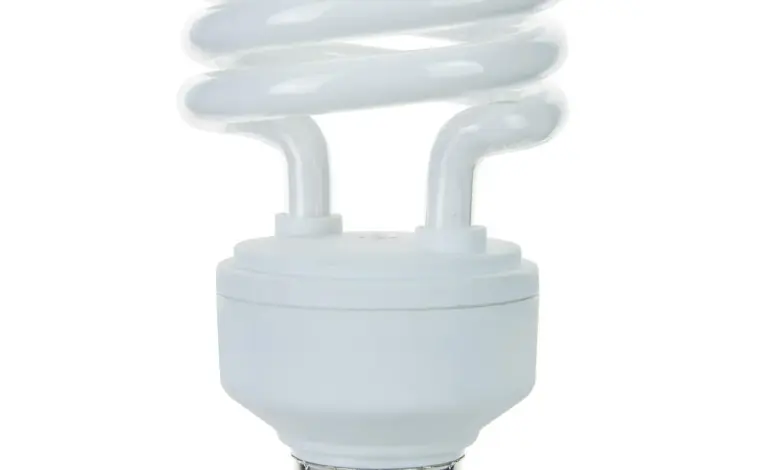
Compact fluorescent lamps (CFLs) have revolutionized the lighting industry since their introduction. Known for their energy efficiency compared to incandescent bulbs, CFLs have become a go-to choice for environmentally-conscious consumers. With increasing concerns about climate change and energy consumption, understanding CFL technology is critical for both consumers and businesses alike.
Current Developments in CFL Technology
In recent years, CFLs have seen significant advancements in design and efficiency. Manufacturers have focused on improving the light quality and lifespan of CFLs while reducing their environmental impact. The latest models now offer even warmer color temperatures and dimming capabilities, making them a versatile option for various applications. According to a report by the U.S. Department of Energy, CFLs use about 70% less energy than traditional incandescent bulbs, and their lifespan can be up to ten times longer, making them a cost-effective solution for consumers.
CFLs and Environmental Impact
Moreover, CFLs contribute to lower greenhouse gas emissions. The Energy Information Administration states that replacing incandescent bulbs with CFLs in homes and businesses can reduce energy demand significantly, which leads to a decrease in carbon emissions associated with electricity generation. As renewable energy sources become more prevalent, using CFLs effectively aligns with broader sustainability goals.
Challenges Ahead for CFL Adoption
Despite their advantages, CFLs face some challenges. The presence of mercury in CFLs poses disposal issues, requiring careful consideration at the end of their lifespans. To mitigate this, environmentally-friendly disposal programs are increasingly promoted. Additionally, the growing popularity of LED lighting could impact the CFL market. LEDs offer even greater energy efficiency and a longer lifespan than CFLs, raising the question of CFLs’ future relevancy.
Conclusion
As lighting technology advances, CFLs remain a noteworthy option for consumers looking to reduce their energy footprint. While they may not be the ultimate solution due to emerging technologies like LED lights, CFLs have played a vital role in changing consumer habits regarding energy-efficient lighting. For the time being, CFLs offer an accessible pathway toward greener living, making them a relevant topic for both homeowners and environmentalists alike.