The Influence and Legacy of Spike Lee in Filmmaking
Introduction
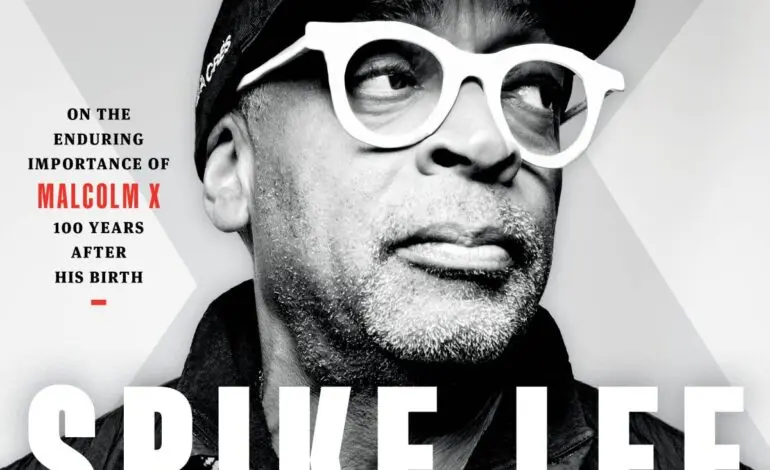
Spike Lee is one of the most influential filmmakers in the landscape of American cinema. Known for his provocative storytelling and socially conscious themes, Lee’s work spans over three decades and addresses vital issues such as race, culture, and identity. His unique style and approach to film not only reflect the African American experience but also challenge audiences to engage actively with social justice topics.
Career Overview
Lee was born on March 20, 1957, in Atlanta, Georgia. He graduated from Morehouse College and received a Master of Fine Arts degree from New York University. His breakthrough came with the 1986 film She’s Gotta Have It, which quickly gained acclaim for its innovative approach to storytelling. This film not only showcased Lee’s talent but also emphasized the importance of independent filmmaking.
Throughout the years, Spike Lee has produced numerous celebrated films, including Do the Right Thing (1989), Malcolm X (1992), and more recently, BlacKkKlansman (2018). His films often feature compelling characters and tackle complex societal issues, reflected in his vibrant visual style and sharp, impactful dialogue.
Recent Developments and Impact
In 2021, Spike Lee became the first African American to serve as the president of the jury at the Cannes Film Festival, a significant milestone that emphasizes his standing in the global film community. His recent works, including the Netflix film Da 5 Bloods, continue to explore themes of war, trauma, and the ongoing impact of systemic racism.
Lee’s influence goes beyond his films; he is an outspoken advocate for social change, leveraging his platform to address contemporary issues such as police brutality and systemic inequities, as seen during the Black Lives Matter movement. His engaging style has encouraged young filmmakers and activists alike to use their voices and mediums to inspire change.
Conclusion
Spike Lee’s contributions to cinema make him a pivotal figure in the film industry and an important voice in the ongoing dialogue about race and justice in America. His ability to address complex social issues through art ensures that his work remains relevant and impactful. As he continues to create, audiences can expect more thought-provoking films that challenge narratives and inspire generations to come.