The Iconic Brooklyn Bridge: A Testament to Engineering
Introduction
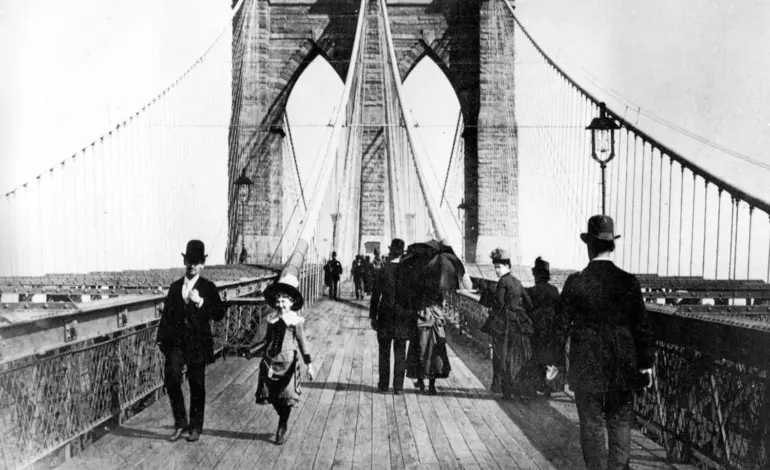
The Brooklyn Bridge, an iconic symbol of New York City, stands as a testament to American ingenuity and engineering prowess. Spanning the East River, it connects the boroughs of Manhattan and Brooklyn, making it one of the most recognizable structures in the world. Officially opened in 1883, the bridge continues to play a crucial role in city life, serving millions of pedestrians, cyclists, and vehicles each year. Its historical significance, architectural beauty, and cultural impact remain relevant in a rapidly changing urban landscape.
Key Facts and Events
Designed by John A. Roebling, the Brooklyn Bridge was the first steel-wire suspension bridge ever constructed. After his tragic death in an accident, his son Washington Roebling took over the project, which took 14 years and faced numerous challenges including the loss of workers and financial setbacks. Finally completed, the bridge was celebrated with a grand opening ceremony that attracted an estimated 200,000 attendees. The bridge’s unique Gothic towers and sweeping cables have inspired countless artists, filmmakers, and photographers, symbolizing the spirit of innovation.
In recent years, the Brooklyn Bridge has seen significant transformations, including renovations to preserve its structure and improve accessibility. The bridge’s walkways have become a popular tourist attraction, offering breathtaking views of the Manhattan skyline, particularly at sunset. According to the latest reports from the NYC Department of Transportation, an average of 150,000 vehicles cross the bridge each day, alongside over 4,000 pedestrians and cyclists.
Current Relevance and Future Outlook
As society becomes increasingly focused on sustainability, the Brooklyn Bridge is at the forefront of discussions about urban development and infrastructure. Recent initiatives aim to enhance pedestrian pathways and promote cycling, encouraging people to choose more eco-friendly modes of transport. Furthermore, the bridge’s status as a major tourist destination enhances its importance in the economic landscape of New York City.
Conclusion
The Brooklyn Bridge remains a vital component of New York City’s identity and infrastructure. As it continues to adapt to modern needs while retaining its historical charm, its influence encompasses not just transportation but also cultural and artistic endeavors. Looking toward the future, ongoing conservation efforts and enhancements will ensure that this engineering marvel continues to thrive, remaining an integral part of New York City for generations to come.