The Chagos Islands: A Disputed Territory with Global Implications
Introduction
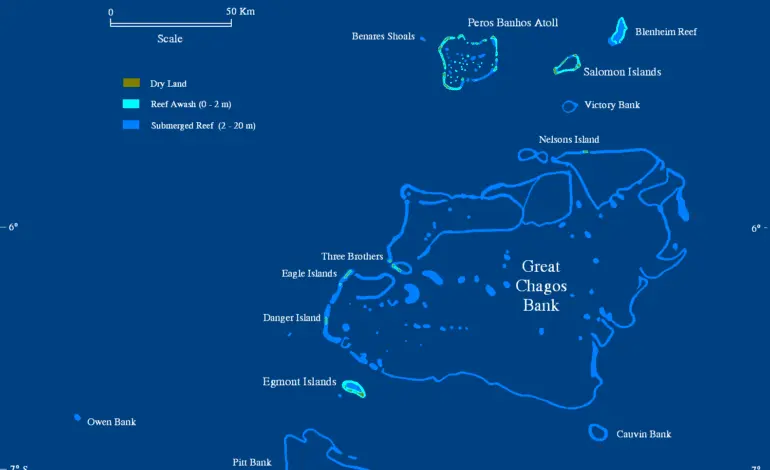
The Chagos Islands, situated in the Indian Ocean, have been a focal point of political and legal conflicts for decades. This archipelago, part of the British Indian Ocean Territory, is significant not only for its strategic location but also for its environmental and cultural heritage. Recent developments regarding its sovereignty and the rights of its former inhabitants have once again brought the Chagos Islands to the forefront of international attention.
Background of the Chagos Islands
The Chagos Islands became a point of contention in the 1960s when the British government decided to lease Diego Garcia, the largest island, to the United States for military purposes. This led to the forced removal of approximately 1,500 Chagossians, who were relocated to Mauritius and the Seychelles. The legality and morality of these actions have been the subject of various legal battles and international scrutiny.
Recent Developments
In recent months, the United Nations has reiterated calls for the UK to complete the decolonization of the Chagos Islands and respect the rights of the displaced Chagossians. In July 2023, a UN General Assembly vote reaffirmed the need for the UK to relinquish control of the islands, echoing a 2019 International Court of Justice ruling which deemed the British occupation illegal. Conversely, the UK government maintains that the islands are crucial for global security operations and has resisted calls to return sovereignty.
The Current Status and Future Outlook
As discussions surrounding the Chagos Islands continue, the situation remains fraught with challenges. Activists and human rights organizations advocate for the Chagossians’ right of return, while geopolitical interests complicate the matter further. The islands’ strategic importance to the United States for military operations particularly in terms of surveillance and logistics cannot be overlooked, making it unlikely that UK control will change without significant international diplomatic pressure.
Conclusion
The Chagos Islands thus represent not only a territorial dispute but also global debates about colonial legacies, human rights, and geopolitical strategy. As international attention focuses on unresolved colonial issues, the outcome of interactions related to the Chagos Islands could have wider implications for similar cases worldwide. For readers, understanding the ongoing developments concerning the Chagos Islands is crucial as they are emblematic of broader issues of sovereignty, displacement, and justice on the global stage.