Exploring Trump’s Interest in Greenland: A Geopolitical Analysis
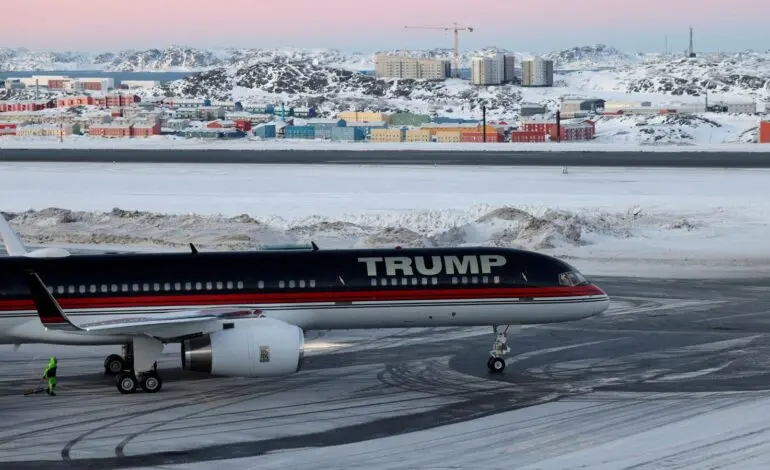
Introduction: The Unusual Interest in Greenland
The topic of former President Donald Trump’s interest in purchasing Greenland sparked extensive discussions and debates during his administration. In 2019, his proposal to buy the autonomous territory of Denmark attracted global headlines and raised eyebrows among political analysts and citizens alike. Understanding why Trump was interested in Greenland involves delving into geopolitical strategy, resource allocation, and national security.
The Strategic Value of Greenland
Greenland, while geographically massive, is home to a relatively small population, mainly comprised of indigenous Inuit people. Its strategic location between North America and Europe makes it a significant asset in terms of military and trade advantages. The U.S. has a long-standing military presence on the island, particularly at Thule Air Base, which plays a crucial role in monitoring Russian activity in the Arctic region and securing transatlantic ties.
Moreover, concerns over climate change and thawing ice caps have renewed interest in the Arctic’s natural resources, including oil, gas, and rare earth minerals. These resources could be vital for not only economic growth but also securing technological dominance. Trump’s interest in Greenland can therefore be seen as part of a broader strategy to bolster U.S. interests in the Arctic.
Political Implications
Trump’s proposal to buy Greenland was met with skepticism and ridicule, both domestically and internationally. The Danish Prime Minister Mette Frederiksen dismissed the idea as absurd, emphasizing Greenland’s right to self-determination. This rejection highlighted the delicate balance of diplomatic relations between the U.S., Denmark, and Greenland, showcasing the complexities involved in any potential acquisition.
Political analysts noted that Trump’s interest might have been influenced by his transactional approach to foreign policy. Acquiring Greenland could be viewed as a move to enhance U.S. power in the Arctic, countering the influence of China and Russia, both of which have been increasing their activities in the region.
Conclusion: Long-Term Significance
While Trump’s suggestion to purchase Greenland was met with laughter and disbelief, it underscored underlying issues regarding national security, resource management, and international relations in the Arctic. As climate change continues to alter the geopolitical landscape, the strategic importance of Greenland is likely to endure. Though Trump’s quest may have stalled, the conversation around Arctic sovereignty and resource rights is far from over. Future leaders will need to navigate the challenging waters of Arctic geopolitics carefully, with Greenland remaining a pivotal point of interest for the U.S. and other nations alike.